Vacant Land
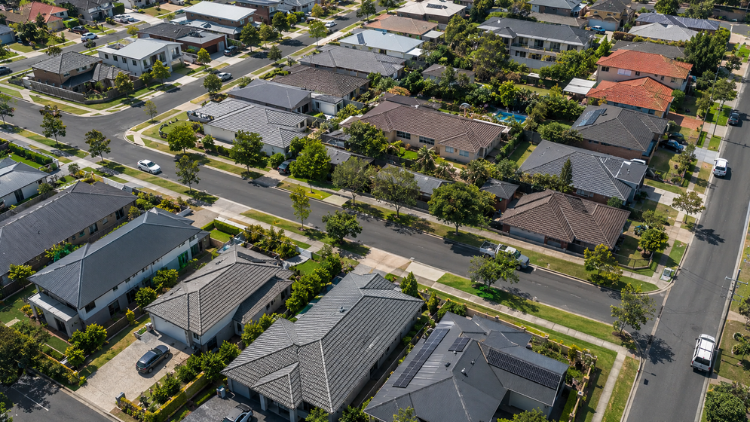
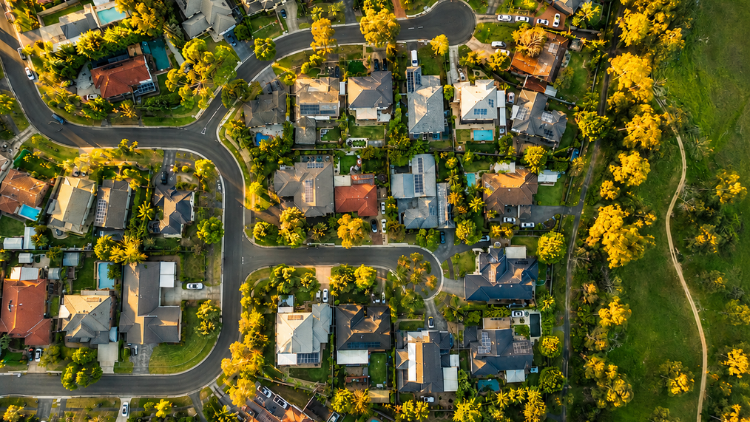
Vacant land investment in Australia gives property investors the flexibility to secure a site in a growth location and develop a strategy aligned with market demand.
While land does not generate rental income until developed, it can offer long-term capital appreciation potential, particularly in expanding corridors and regional growth markets.
Investors often use vacant land to plan a future build, including single homes or dual-income strategies, depending on zoning and local demand.
With careful site selection, vacant land can form the foundation of a high-performing development-led investment plan.
Frequently Asked Questions
Developed land has already been subdivided and serviced, roads, water, power, sewer and telecommunications are in so it's ready to build on, unlike raw or broadacre land. "Registered" (or titled) land means the title has issued and you can settle and start building. Most investment lots sold in new estates are developed residential blocks intended for a home to be built on.
Registered land is titled now, so you can settle and move to building sooner. Unregistered (untitled) land is sold before the title issues usually while the developer completes the estate works and you settle once it registers, which can be delayed by weather, works or approvals. Because that timing affects when you can build and start earning, and finance approvals can lapse if it drags on, it's important to know which you're buying and the expected registration date
Buying a registered lot secures your position in a growth estate sought-after lot can sell quickly and lets you build a brand-new home suited to today's tenants. It's the land half of a house and land package, and contracting the land and build separately can also mean stamp duty is generally calculated on the land value rather than the finished home. The result is a new, low-maintenance property with strong depreciation, built on land you selected.
Lot size and frontage, orientation and aspect (north-facing living areas are well regarded), slope and soil type (which affect build cost), and the block's position within the estate proximity to parks and future amenity, and distance from busy roads. A well-chosen lot supports both rent and resale and helps avoid expensive site works, so the land deserves as much scrutiny as the home design.
Most new estates apply covenants or design guidelines that set standards for things like home size, façade and materials, fencing, landscaping and parking, to protect the look and value of the estate. They can influence what you build and add some cost, so it's worth reviewing them before you buy. They're a normal feature of quality developed estates rather than a drawback.
Often, yes developer covenants, and sometimes contract terms, commonly require you to start or finish construction within a set period after settlement, so a registered lot generally can't be held indefinitely without building. Check the building-commencement timeframes, since they shape your plans and your finance. This is part of why developed-estate land is bought with a build in mind rather than as a long-term hold.
Land drives most long-term capital growth it appreciates while the building depreciates so the lot and the estate's prospects matter a great deal to how the investment performs. Estates with genuine demand, committed infrastructure and limited future supply tend to see stronger land-value growth. Choosing well-located land in a quality estate is one of the most important decisions you'll make
Beyond the land price, budget for transfer (stamp) duty on the land, conveyancing and legal fees, and loan and settlement costs, plus the site costs that arise once you build (these vary with slope, soil and services). If there's a gap between settling the land and completing the home, you'll also carry holding costs like rates and any loan interest before rent begins. Knowing the full cost picture upfront avoids surprises.
Typically with a land loan to settle the block, followed by a construction loan that pays the builder in stages as the home is built. You generally need the land deposit available upfront, and lenders assess your capacity to service the combined land-and-construction borrowing. Specific deposit and lending requirements vary between lenders and change over time, so confirm the current position with a broker or lender.
Investors pursuing a new-build, growth-estate strategy who want to choose their own lot, capture land-driven growth and end up with a brand-new, low-maintenance home and who are comfortable with the time between buying the land and the home being ready to rent. It's the foundation of a house and land investment, so it suits a similar investor profile.
Why Buy With Aus Investment Properties?
- Dedicated In-house Project Manager.
- High-yielding properties.
- Independent rental assessment.
- Full turnkey properties, 'Ready to Rent'.
- Brand new properties with builders warranty.
- High quality, highly specified properties.
- Tax and depreciation benefits from new properties.
- Buy direct from the builder.
- Investor or SMSF.
News & Events
_1782275011lcroQ.png)
Investment property news
New Builds Are the Last Property Left Standing Under the New Negative Gearing Rules
By Aus Investment Properties ·
Read More »
Are High Yield Properties the Future of Property Investing?
By Aus Investment Properties ·
Read More »
Solo Renters: The Fastest Growing Force in Australia’s Rental Market
By Aus Investment Properties ·
Read More »
SMSF Residential Property and LRBA Changes: What Investors Need to Know
By Aus Investment Properties ·
Read More »Capital Growth 12 months, measures the increase in a property’s value over the previous 12 months, indicating how much the investment has appreciated in that timeframe.
Capital Growth 10-year annualised, reflects the average annual increase in a property’s value over the last decade, smoothing out short-term fluctuations to show long-term appreciation trends.
Vacancy Rate, indicates the percentage of properties that are currently unoccupied in that postcode, It’s a key indicator for investors to assess the rental demand.
SMSF Property Investing, when investing inside your SMSF there are some restrictions on how you can purchase investment properties. We use the following information to help navigate the SMSF investment property options.
This property is a single-contract property suitable for an SMSF.
SMSF Single Contract