The 2026 tax reforms have rewritten the rules for Australian investors, and high yield new build properties have emerged as the clear winners.
By Aus Investment Properties
TL;DR The May 2026 Federal Budget abolished negative gearing for established properties purchased after 12 May 2026 and will replace the 50 per cent CGT discount with indexation from 1 July 2027. New builds are exempt and keep both tax benefits. With ABS data showing rents still rising and housing the biggest driver of inflation, high yield new builds such as co-living, dual occupancy and duplex homes now offer stronger cash flow and better tax treatment.
Are High Yield Properties the Future of Property Investing? The Short Answer Is Yes
For a growing number of Australian investors, high yield properties are not just the future, they are the present. The 2026 Federal Budget fundamentally changed the maths of property investing. Negative gearing has been abolished for established residential properties purchased after 7.30pm on 12 May 2026, taking effect from 1 July 2027, and the 50 per cent capital gains tax discount is being replaced with cost base indexation for individuals, trusts and partnerships.
In plain terms, buying an established home, running it at a loss and relying on tax deductions no longer works. What does still work is buying a brand new, high yielding property. Eligible new builds are exempt from the changes, keeping full negative gearing and the existing CGT discount, while generating the strong rental income that matters most in a higher interest rate environment.
What Actually Changed in the 2026 Budget
The Treasury Laws Amendment (Tax Reform No.1) Act 2026 passed the Senate on 25 June 2026, so these reforms are now law. Four changes matter most.
Negative gearing restricted. From 1 July 2027, rental losses on established properties purchased after 12 May 2026 can no longer be offset against salary or other personal income, only against rental income or future capital gains from rental properties.
CGT discount replaced. The 50 per cent capital gains tax discount will be replaced with cost base indexation from 1 July 2027, alongside a 30 per cent minimum tax rate on capital gains. The changes only apply to gains that accrue after that date.
Existing owners protected. Properties held at 7.30pm on 12 May 2026, including those under contract, are grandfathered and can continue to be negatively geared until sold.
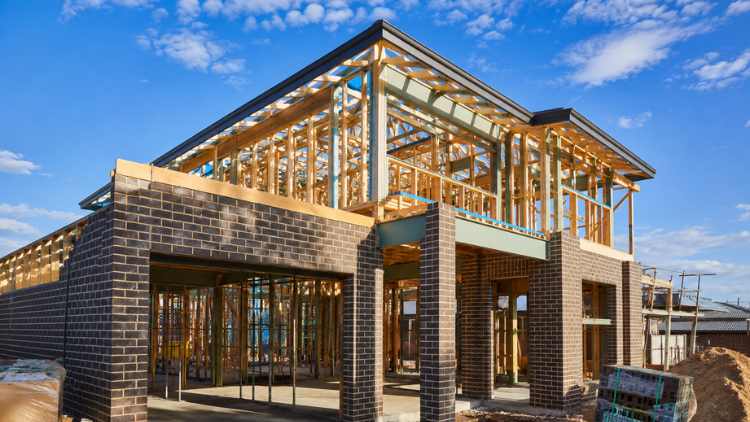
New builds exempt. Eligible new residential dwellings keep full negative gearing, and owners can choose between the existing 50 per cent CGT discount and the new indexation method. The government has been explicit that the reforms are designed to steer investment into new housing.
Why Yield Is the New King
With the Reserve Bank cash rate at 4.35 per cent, most standard rental properties run at a loss. The government's own Budget modelling makes the point: its factsheet example assumes a rental yield of just 3.1 per cent and a 5.7 per cent interest rate on a $1 million property, producing an annual loss of around $14,390. Under the old rules that loss was softened by negative gearing. For established purchases made today, it will not be.
The good news for income focused investors is that rents keep climbing. ABS data shows rents rose 3.7 per cent over the 12 months to March 2026, and housing remains the single largest contributor to inflation, up 6.5 per cent over the year to May 2026. At the same time, ABS building approvals continue to track well below the National Housing Accord's ambition of 1.2 million new homes over five years, so the supply shortage underpinning rents is not resolving soon.
The New Build Advantage: More Than One Income Stream
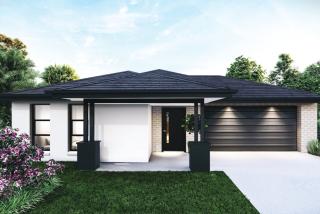
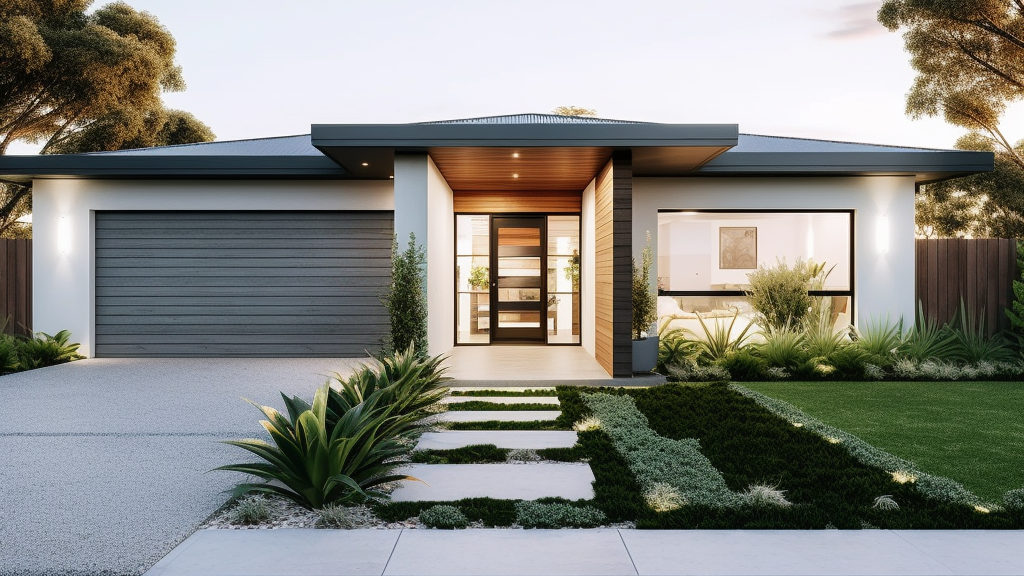
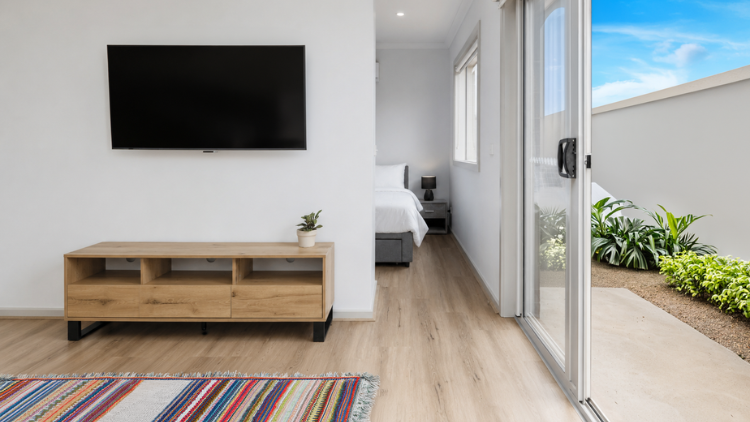
The strongest yields in the new build market come from properties designed to produce multiple income streams on a single title. Co-living homes rent individual rooms to separate tenants, and current listings on our website show gross yields of 6 to 7 per cent or more, roughly double the 3.1 per cent yield the government's Budget modelling assumes for a standard rental. Dual occupancy properties and duplex homes combine two dwellings and two rental incomes on one block, lifting yield without sacrificing the location quality that drives long term capital growth.
Because these are brand new properties, investors also retain full depreciation benefits on the building and fittings, further improving after tax cash flow. Demand keeps strengthening too: solo renters are the fastest growing force in the rental market, exactly the tenant base co-living serves. For investors watching their entry price, Perth and Adelaide remain the most accessible capital city markets in 2026.
Outlook
The policy direction is set. The tax system now rewards new housing supply, ABS data shows rents are still rising faster than most other living costs, and the gap between the National Housing Accord target and actual building activity points to tight rental markets for years to come. Expect investor demand to pivot decisively toward high yielding new stock, particularly multi-income property types.
Investors who move early will have the widest choice of locations and product. You can compare yields, vacancy rates and capital growth data across the country using the advanced search on our website.
High yield properties have moved from a niche strategy to the centre of Australian property investing. The 2026 reforms removed the tax advantages of established homes while preserving them for new builds, and record low vacancy keeps pushing rents higher. For investors who want strong cash flow, favourable tax treatment and exposure to long term growth, high yield new build properties are the logical place to start.
Key Takeaways
- Tax reform favours new builds. Established properties purchased after 12 May 2026 lose negative gearing from July 2027, while eligible new builds keep negative gearing and the 50 per cent CGT discount.
- Rents keep rising. ABS data shows rents rose 3.7 per cent over the year to March 2026, with housing the largest contributor to inflation and building activity still short of the Housing Accord target.
- Multi income properties lead. Co-living, dual occupancy and duplex homes on our website currently show gross yields of 5.5 to 7 per cent or more, roughly double the 3.1 per cent yield assumed in the government Budget modelling for a standard rental.
- Cash flow protects investors. With interest rates elevated, strong rental income reduces holding costs and reliance on tax concessions or capital growth alone.
Visit ausinvestmentproperties.com.au to view all our available investment properties and use our advanced search filters to find high-growth, low-vacancy locations that match your budget.
FAQ's
What is a high yield investment property?
high yield investment property generates strong rental income relative to its purchase price. The 2026 Federal Budget modelling assumed a typical rental yield of just 3.1 per cent, so properties returning 5 per cent or more, such as co-living homes, dual occupancy properties and duplexes, are considered high yield.
Did the 2026 Federal Budget end negative gearing in Australia?
Not entirely. From 1 July 2027, negative gearing is abolished for established properties purchased after 7.30pm on 12 May 2026. Properties owned before that date are grandfathered, and eligible brand new properties remain fully exempt.
Can I still negatively gear a new build property?
Yes. Eligible new residential dwellings are exempt from the 2026 reforms, so investors in new builds keep full negative gearing and can choose between the existing 50 per cent CGT discount and the new indexation method.
What is a good rental yield in Australia in 2026?
The government's 2026 Budget modelling assumed a typical yield of 3.1 per cent, so anything meaningfully above that is solid. Multi income new builds such as co-living and dual occupancy homes commonly achieve 5.5 to 7 per cent, though investors should always check the local vacancy rate before relying on a headline yield.
Which property types deliver the highest rental yields?
Properties with multiple income streams on one title lead the market. Co-living homes, rooming houses, dual key designs, dual occupancy properties and duplexes typically out-yield standard houses by a significant margin because they collect rent from more than one tenancy.
Sources
1. Australian Taxation Office, Tax Reform: Boosting Home Ownership, Reforming Negative Gearing and Capital Gains Tax, 2026 (ato.gov.au)
2. Australian Government, Budget 2026-27 Factsheet: Negative Gearing and Capital Gains Tax Explainers, May 2026 (budget.gov.au)
3. Australian Bureau of Statistics, Monthly Consumer Price Index Indicator, March and May 2026 (abs.gov.au)
4. Australian Bureau of Statistics, Building Approvals, Australia, 2026 (abs.gov.au)
5. Reserve Bank of Australia, Cash Rate Target, 2026 (rba.gov.au)
6. Aus Investment Properties, current property listings and Investment Property News, 2026 (ausinvestmentproperties.com.au)
 By Aus Investment Properties
_1776213150EC5td-card.jpg)
-(1)_17762144417K00n-card.png)
_1776298437p3Tbd-card.png)
_1776296186JxdiO-card.png)
_1776298926ZIsg0-card.png)


_1782275011lcroQ.png)