Co-living
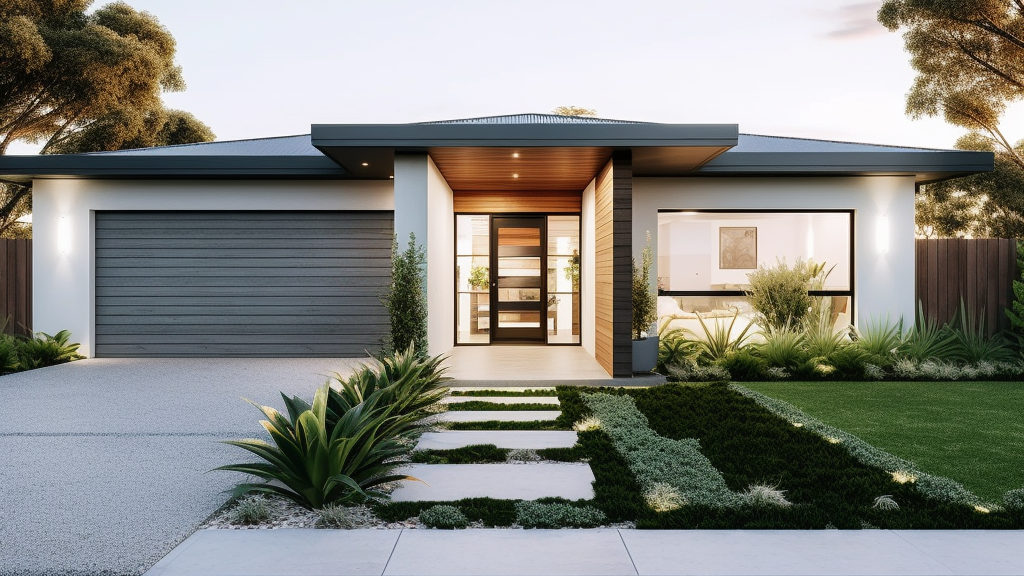
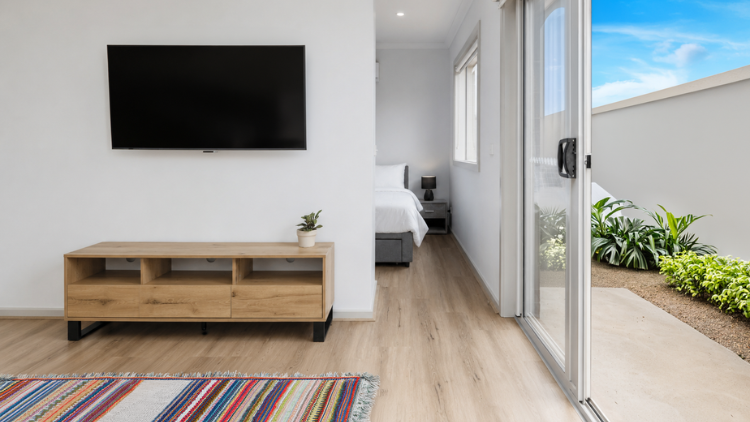
Co-living investment properties are purpose-built residential assets designed to maximise cash flow through individual room leasing within a single dwelling.
Unlike traditional residential investment properties that rely on one tenancy, co-living homes operate as multi-tenant investments, allowing property investors to capture diversified rental income streams and stronger overall yield performance.
Demand for affordable shared accommodation continues to rise across Australian metro markets and growth corridors, driven by young professionals, key workers and long-term renters.
By reducing reliance on a single tenant, co-living investment properties can lower vacancy exposure and support steadier cash flow compared to standard houses or apartments.
Co living
- $ 771,000
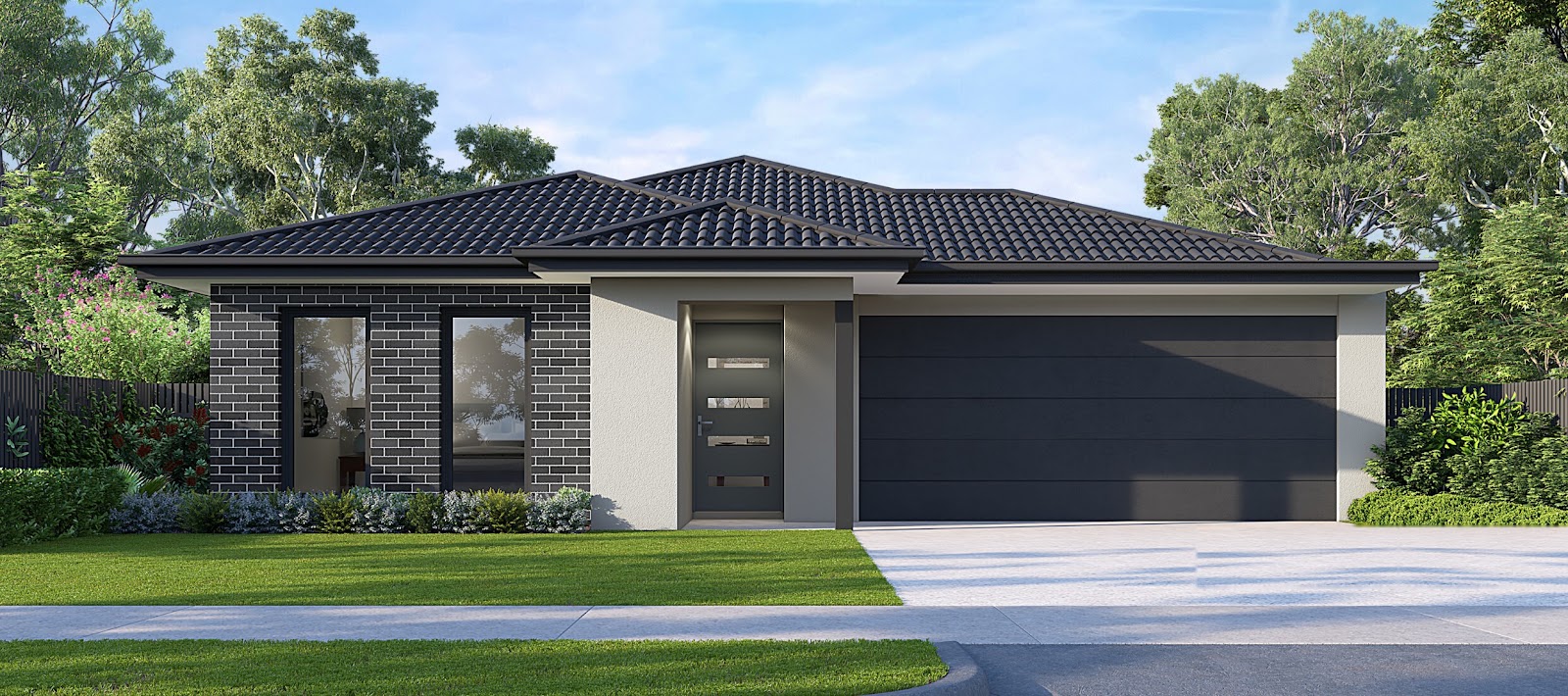
Gross Return
$ 65,000
$ 65,000
Gross Yield
8.43%
8.43%
Capital Growth
5.36%
5.36%
Vacancy Rate
12.78%
12.78%
Rigby Dr, Beveridge VIC (A)
Beveridge, VIC, 3753
Co living
Co living
- $ 877,000
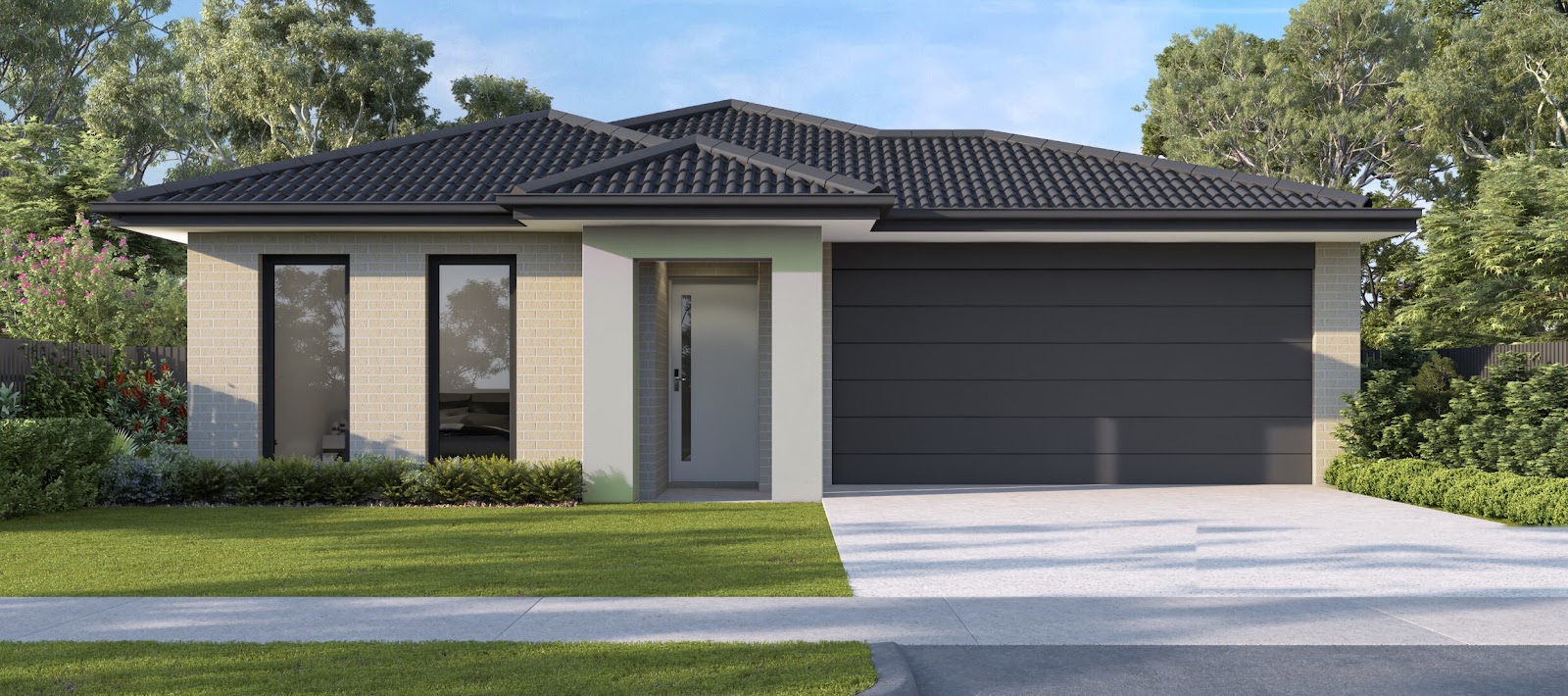
Gross Return
$ 75,400
$ 75,400
Gross Yield
8.6%
8.6%
Capital Growth
6.46%
6.46%
Vacancy Rate
3.33%
3.33%
Asteroid St, Tarneit VIC (B)
Tarneit, VIC, 3029
Co living
Co living
- $ 825,000
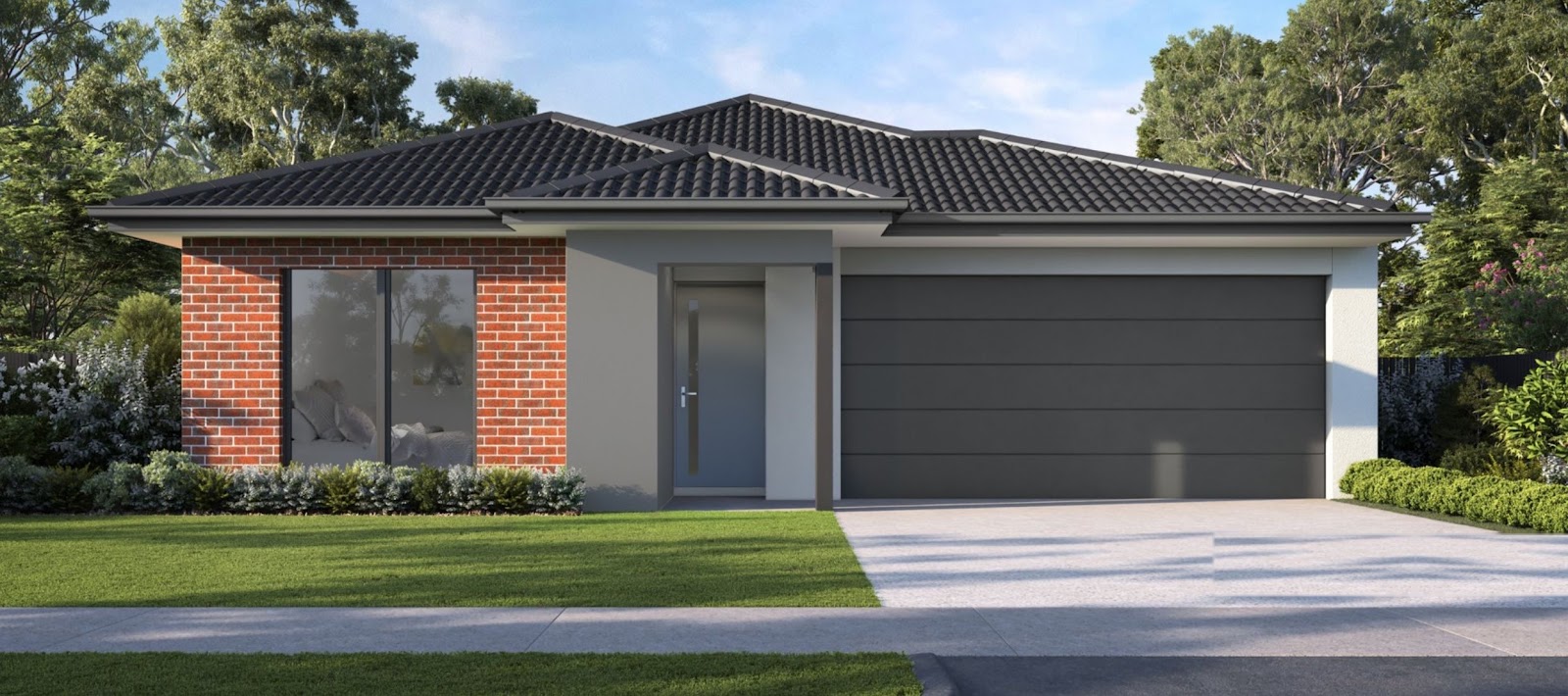
Gross Return
$ 58,240
$ 58,240
Gross Yield
7.06%
7.06%
Capital Growth
6.46%
6.46%
Vacancy Rate
3.33%
3.33%
Asteroid St, Tarneit VIC (A)
Tarneit, VIC, 3029
Co living
Co living
- $ 1,031,000
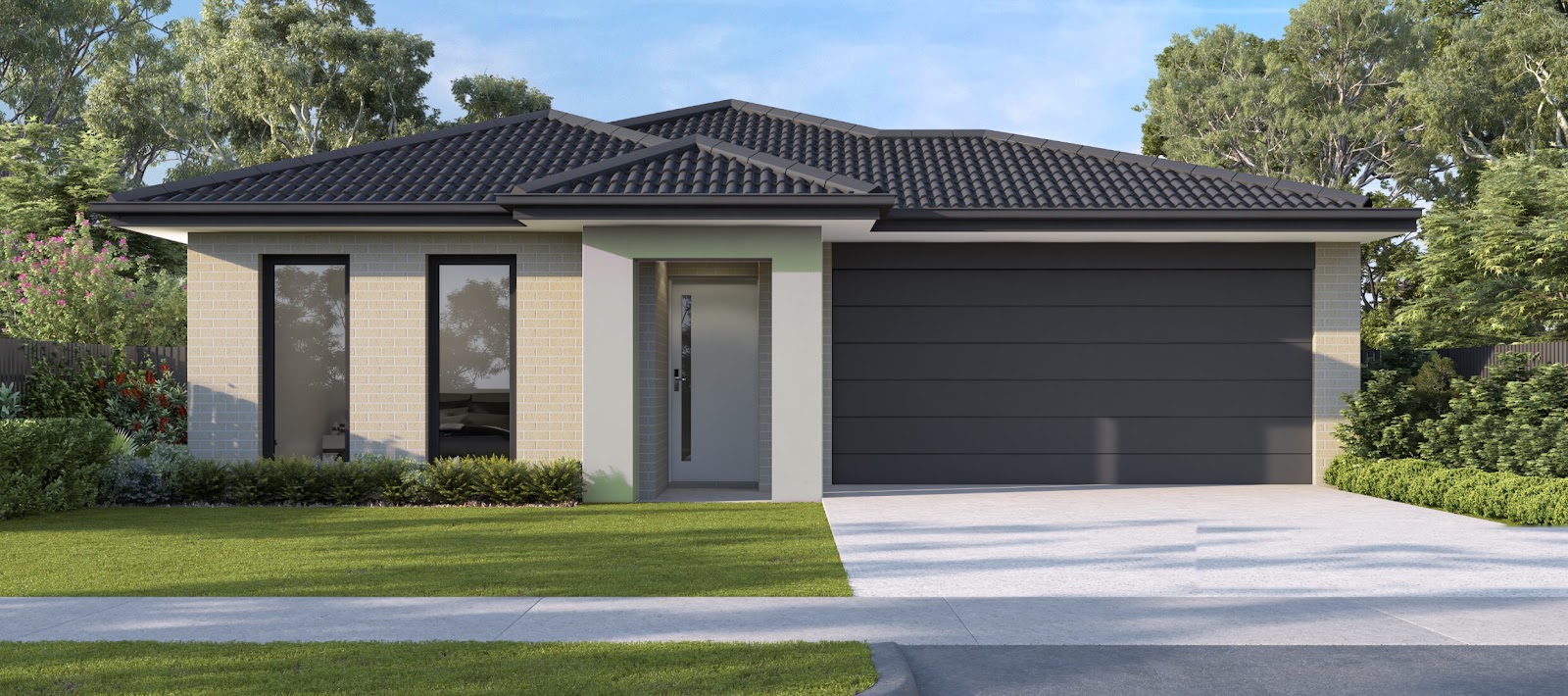
Gross Return
$ 72,800
$ 72,800
Gross Yield
7.06%
7.06%
Capital Growth
7.54%
7.54%
Vacancy Rate
1.14%
1.14%
Greycliffe Ave, Skye VIC (B)
Skye, VIC, 3977
Co living
Co living
- $ 998,000
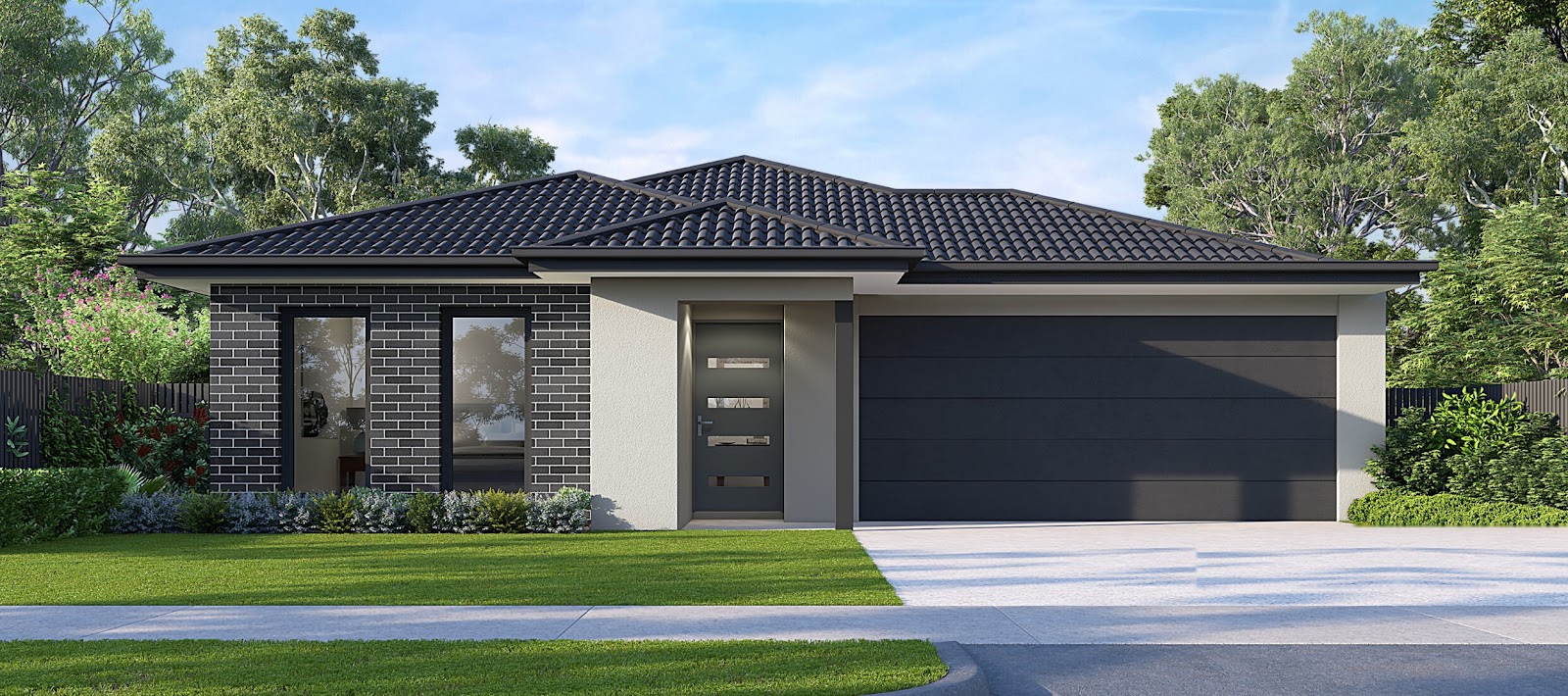
Gross Return
$ 72,800
$ 72,800
Gross Yield
7.29%
7.29%
Capital Growth
7.54%
7.54%
Vacancy Rate
1.14%
1.14%
Greycliffe Ave, Skye VIC (A)
Skye, VIC, 3977
Co living
Co living
- $ 791,000
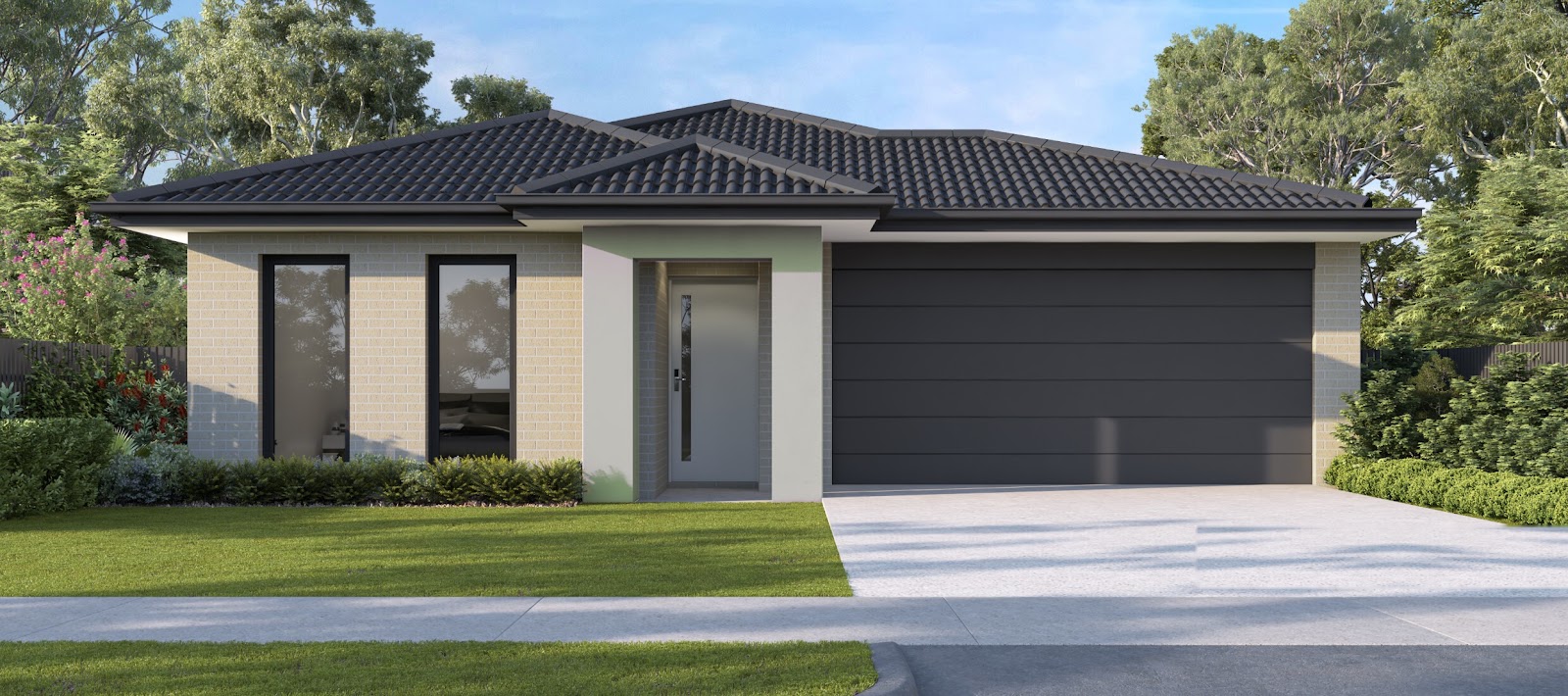
Gross Return
$ 71,760
$ 71,760
Gross Yield
9.07%
9.07%
Capital Growth
9.88%
9.88%
Vacancy Rate
4.74%
4.74%
Kinane St, Melton South VIC (C)
Melton South, VIC, 3338
Co living
Co living
- $ 758,000
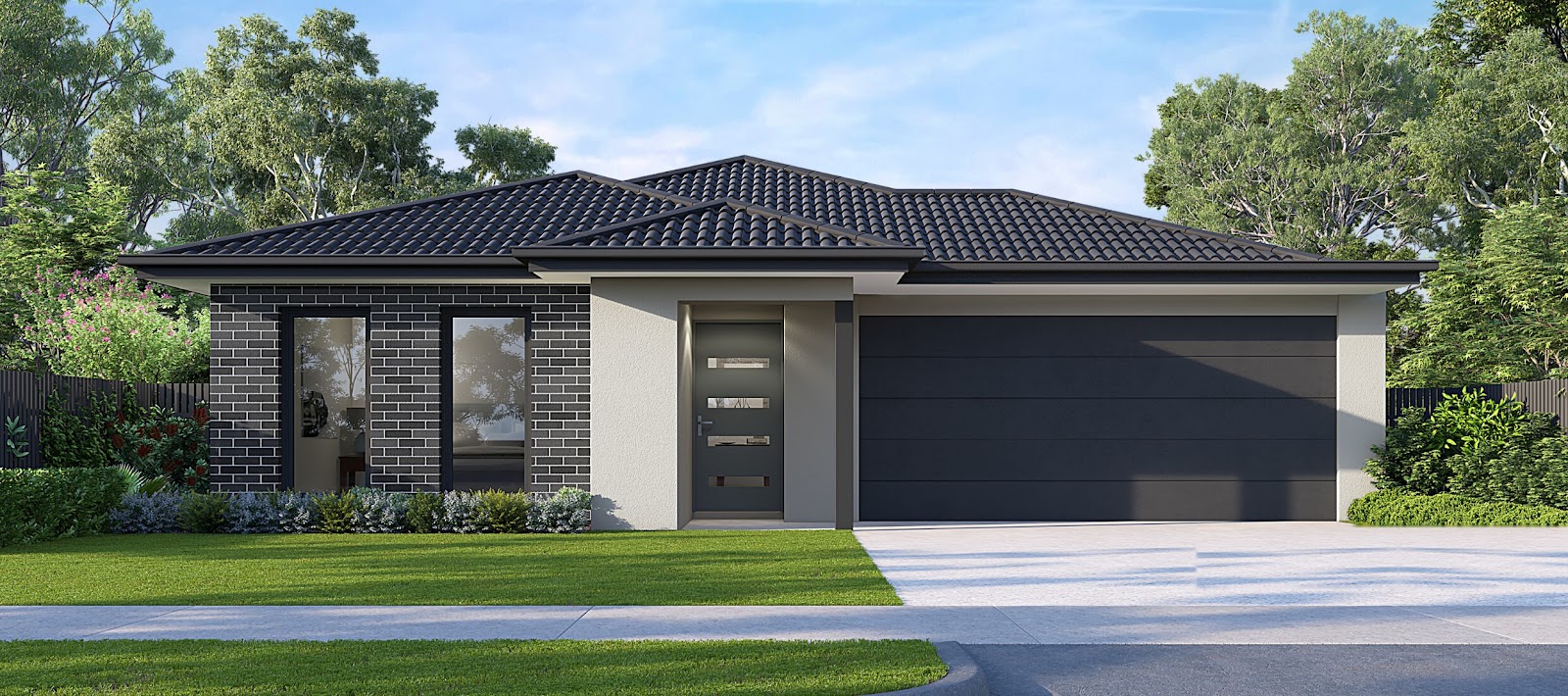
Gross Return
$ 71,760
$ 71,760
Gross Yield
9.47%
9.47%
Capital Growth
9.88%
9.88%
Vacancy Rate
4.74%
4.74%
Kinane St, Melton South VIC (B)
Melton South, VIC, 3338
Co living
Co living
- $ 996,980

Gross Return
$ 49,920
$ 49,920
Gross Yield
5.01%
5.01%
Capital Growth
8.77%
8.77%
Vacancy Rate
0.44%
0.44%
7081 JOYNER JOYNER, QLD 4500
Joyner, Moreton Bay, QLD, 4500
Co living
Co living
- $ 784,000
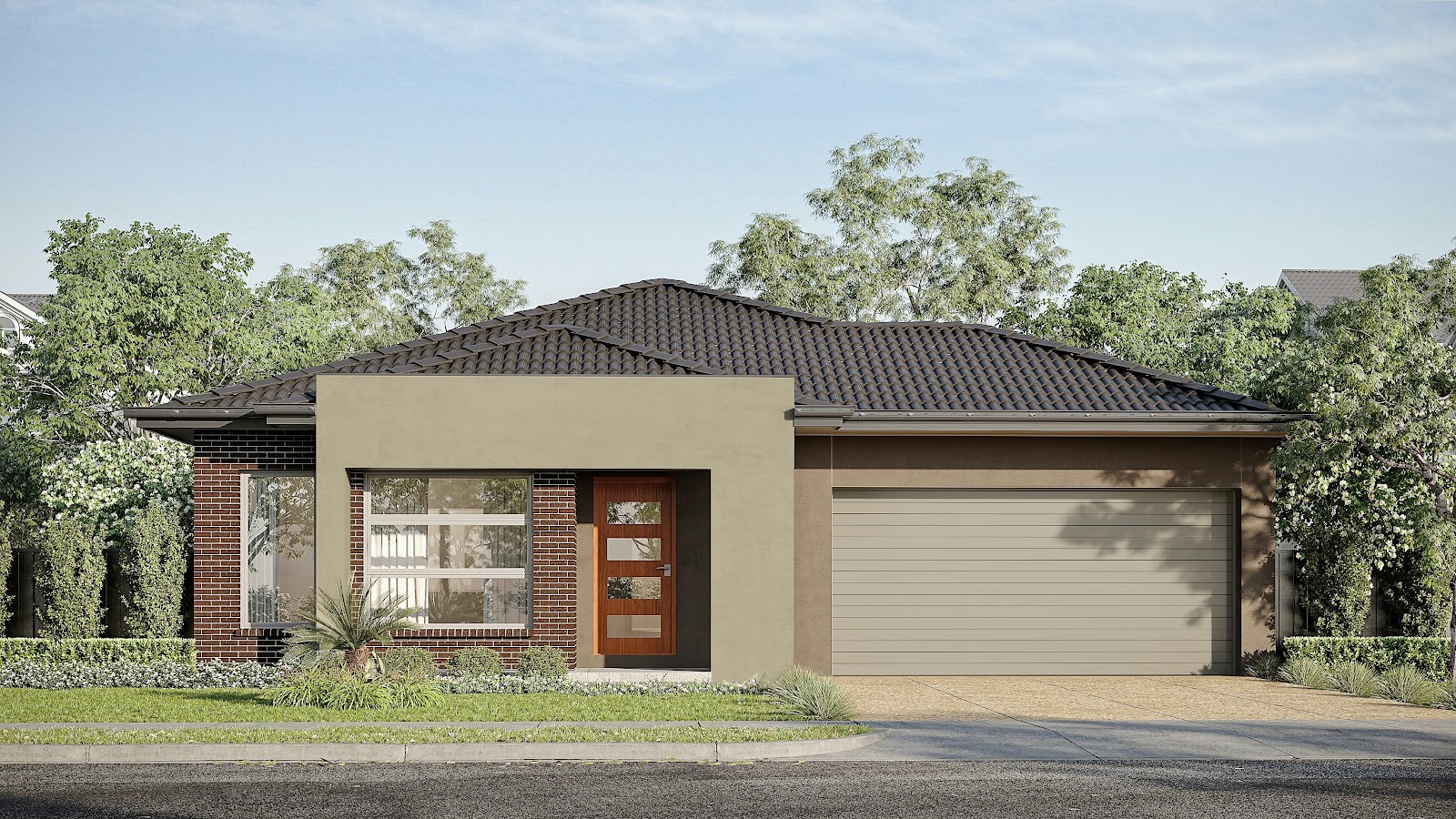
Gross Return
$ 49,400
$ 49,400
Gross Yield
6.3%
6.3%
Capital Growth
8.02%
8.02%
Vacancy Rate
1.63%
1.63%
Lot 48 Davis Crescent, Mildura VIC 3500
Mildura, VIC, 3500
Co living
Co living
- $ 718,800
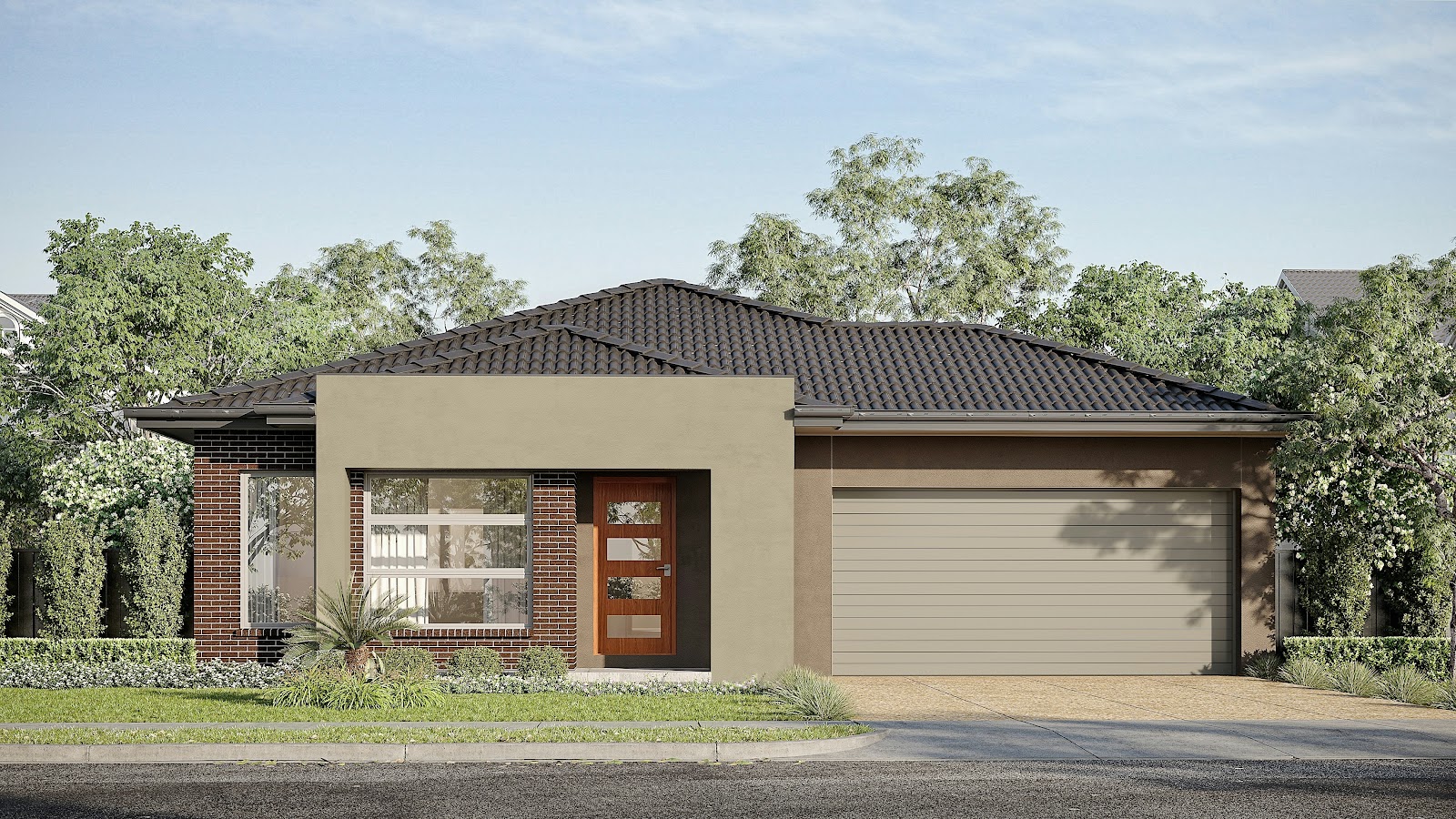
Gross Return
$ 52,000
$ 52,000
Gross Yield
7.23%
7.23%
Capital Growth
8.02%
8.02%
Vacancy Rate
1.63%
1.63%
Lot 24 Harlem Court, Mildura VIC 3500
Mildura, VIC, 3500
Co living
Co living
- $ 763,800
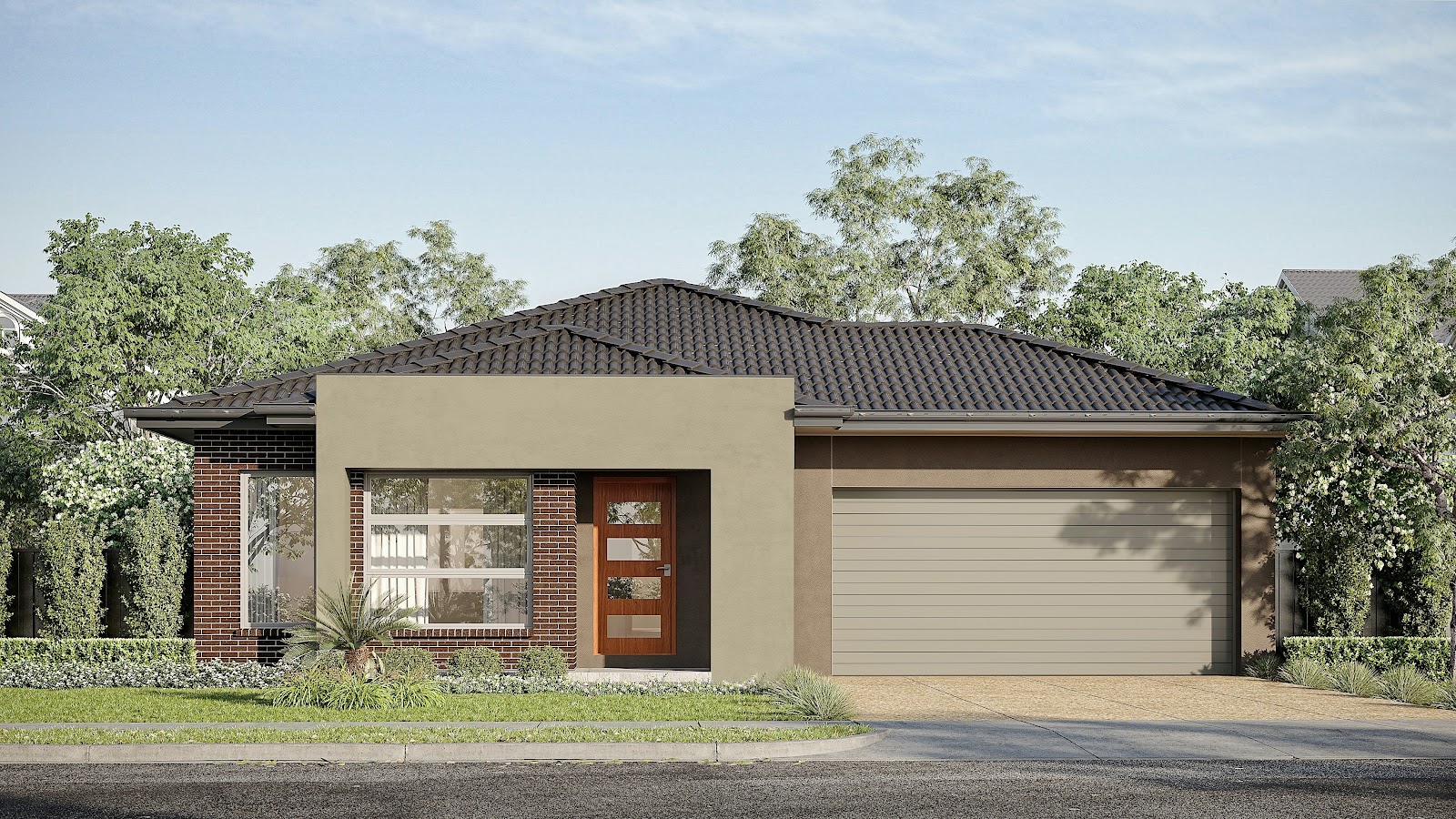
Gross Return
$ 49,400
$ 49,400
Gross Yield
6.47%
6.47%
Capital Growth
8.02%
8.02%
Vacancy Rate
1.63%
1.63%
Lot 31 Harlem Court, Mildura VIC 3500
Mildura, VIC, 3500
Co living
Co living
- $ 793,800
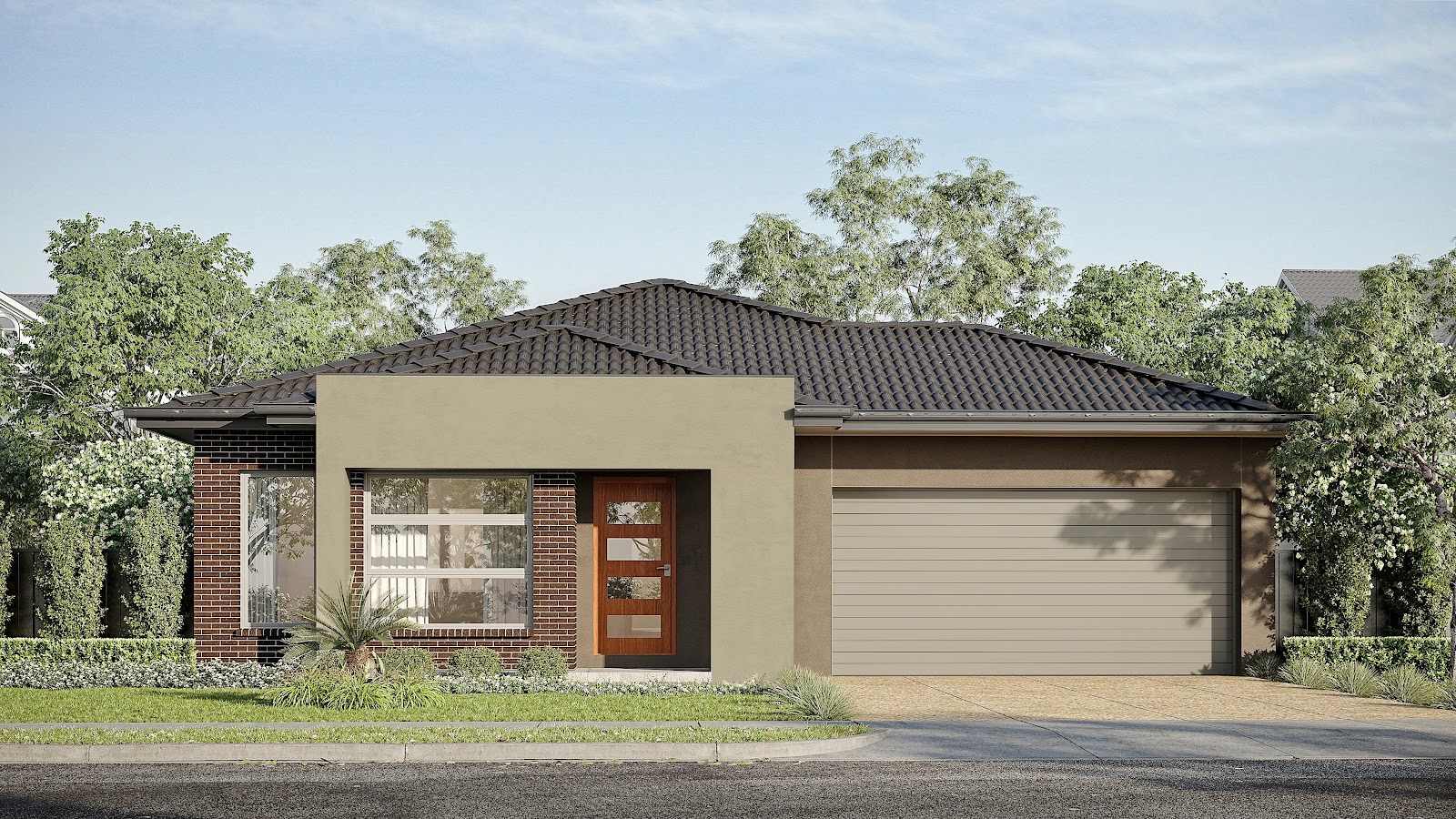
Gross Return
$ 49,400
$ 49,400
Gross Yield
6.22%
6.22%
Capital Growth
8.02%
8.02%
Vacancy Rate
1.63%
1.63%
Lot 30 Harlem Court, Mildura VIC 3500
Mildura, VIC, 3500
Co living
Frequently Asked Questions
Co-living is a professionally run share-accommodation model: a single dwelling (or purpose-built building) with several private bedrooms, generous shared living and kitchen spaces, and usually bundled services such as utilities, internet and cleaning of common areas. Tenants rent a room rather than the whole property, so the investor earns multiple rents from one asset.
The core appeal is higher gross income multiple room rents from one building typically exceed what a single whole-of-house tenancy would earn combined with income diversification, since one vacant room does not stop all the rent. It targets the structural, ongoing demand for affordable, flexible, well-located accommodation.
Co-living” is a market and branding term, whereas “rooming house” is a defined regulatory category with registration, building-classification and minimum-standard obligations once you cross certain occupant or room thresholds. Whether a given co-living property is legally a rooming or boarding house and therefore subject to those rules depends on the configuration and the local council’s definitions. The regulatory test, not the marketing label, is what governs your obligations
It is operationally heavy: higher management input and cost, exposure to planning and zoning rules, higher tenant turnover among room-renters, and a narrower resale market because the layout appeals mainly to investors. Fit-out and furnishing also raise the upfront capital. The strong gross yield needs to be tested against these higher running costs to find the real net return.
Often, yes particularly once a property crosses the thresholds that trigger rooming or boarding-house classification, where planning consent and a building reclassification may both be required. Requirements vary by state and council. Confirm the planning and building position for the specific property before buying.
Expect management fees above standard residential rates, plus the utilities, internet, common-area cleaning and garden maintenance. These ongoing costs are why an attractive gross yield can settle to a more ordinary net return, and they are the main reason many owners use specialist co-living managers.
Typically, young professionals and singles who want affordable, flexible, amenity-rich accommodation in good locations a segment that tends to grow whenever solo renting becomes less affordable. Well-run, well-located co-living generally enjoys solid demand and higher rental income.
More cautiously than a standard house, because multiple tenancies, specialised use and potential rooming or boarding-house classification can affect valuation and lending appetite some lenders treat it closer to commercial-residential. Expect tighter terms and confirm financing before committing to a purchase or conversion. In most cases investors will require a 30% deposit.
Each room is typically let on its own agreement, so you're managing several shorter, independent tenancies rather than one household on a single lease more administration, more frequent turnover, and more rent payments to track and chase. The upside is income diversification: a vacancy in one room doesn't stop all the rent, which smooths cash flow. The residential tenancy rules that apply to room-by-room or rooming-style arrangements vary by state, so confirm which framework governs your agreements and what rights and obligations come with it. Specialised property managers who handle co-living can take on much of this administration on your behalf.
Income-focused investors attracted to the higher gross yield who are comfortable owning a more specialised asset with multiple tenancies and compliance obligations — even though a specialist manager can take on most of the day-to-day work. It's less suited to those wanting the simplicity of a single, mainstream tenancy.
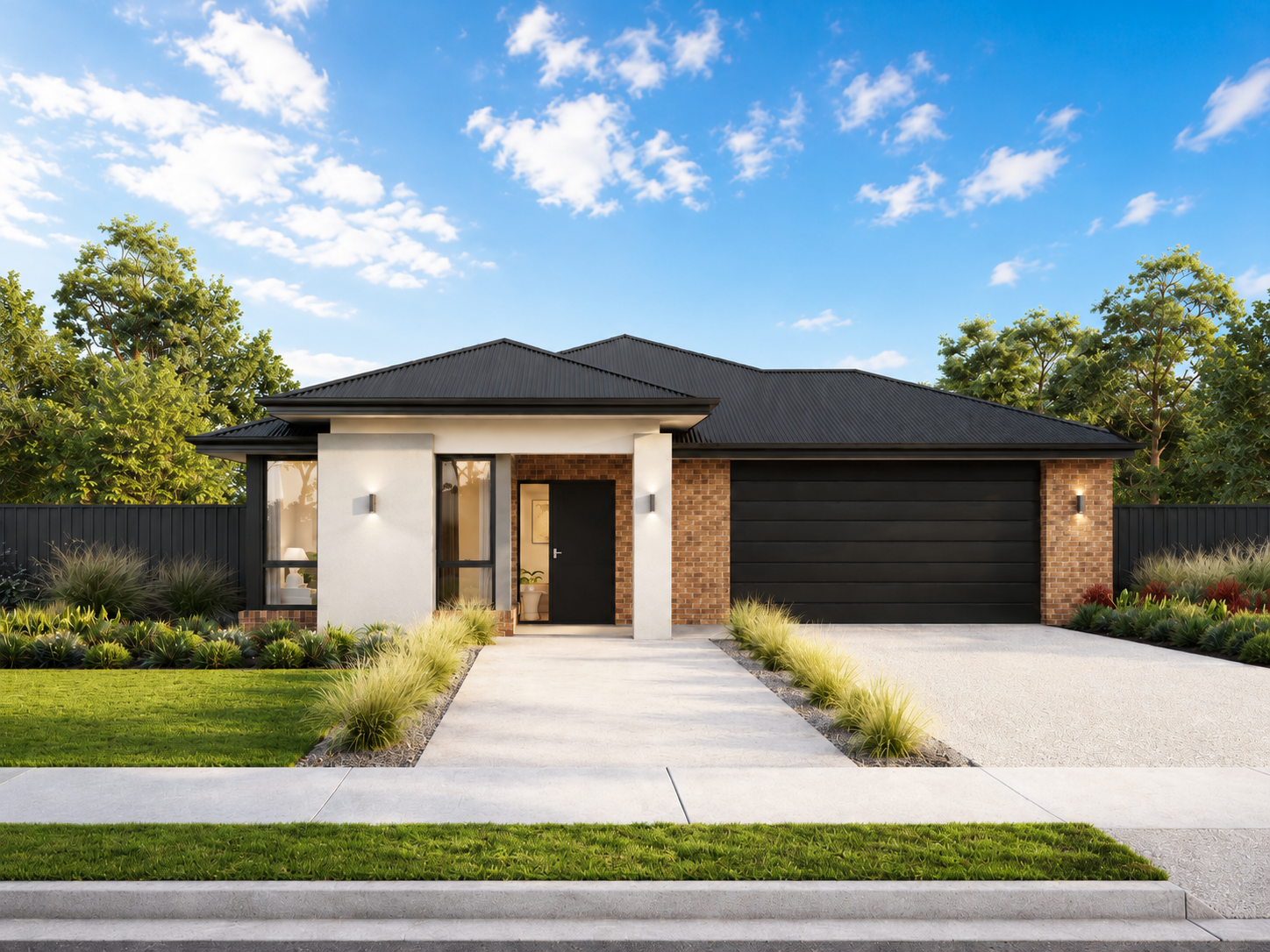
Why Buy With Aus Investment Properties?
- Dedicated In-house Project Manager.
- High-yielding properties.
- Independent rental assessment.
- Full turnkey properties, 'Ready to Rent'.
- Brand new properties with builders warranty.
- High quality, highly specified properties.
- Tax and depreciation benefits from new properties.
- Buy direct from the builder.
- Investor or SMSF.

News & Events


_1782275011lcroQ.png)
Investment property news
New Builds Are the Last Property Left Standing Under the New Negative Gearing Rules
By Aus Investment Properties ·
Read More »
Are High Yield Properties the Future of Property Investing?
By Aus Investment Properties ·
Read More »
Solo Renters: The Fastest Growing Force in Australia’s Rental Market
By Aus Investment Properties ·
Read More »
SMSF Residential Property and LRBA Changes: What Investors Need to Know
By Aus Investment Properties ·
Read More »Capital Growth 12 months, measures the increase in a property’s value over the previous 12 months, indicating how much the investment has appreciated in that timeframe.
Capital Growth 10-year annualised, reflects the average annual increase in a property’s value over the last decade, smoothing out short-term fluctuations to show long-term appreciation trends.
Vacancy Rate, indicates the percentage of properties that are currently unoccupied in that postcode, It’s a key indicator for investors to assess the rental demand.
SMSF Property Investing, when investing inside your SMSF there are some restrictions on how you can purchase investment properties. We use the following information to help navigate the SMSF investment property options.
This property is a single-contract property suitable for an SMSF.
SMSF Single Contract