

Ten Years of Postcode Growth: Consistency Beats the Headline
By Aus Investment Properties ·
Read More »Updated on Nov 19, 2026
| Property Type: | Co-living |
|---|---|
| Price: | $ 896,000 |
| Land Price: | $ 439,000 |
| Build Price: | $ 457,000 |
| Gross Per Week: | $ 1400* |
| Gross Per Annum: | $ 72,800 |
| Gross Yield: | 8.13% |
| Capital Growth 12 Months: | 1.49% |
| 10Yr Annualised Growth: | N/A |
| Vacancy Rate: | 19.59% |
| Property Size: | 206 m2 |
| Land Area: | 392 m2 |
|---|---|
| Bedrooms: | 5 |
| Bathrooms: | 5 |
| Parking: | 2 |
| Land Title Date: | Titled |
| Property ID: | 39892 |
| SKU: | 1036 |
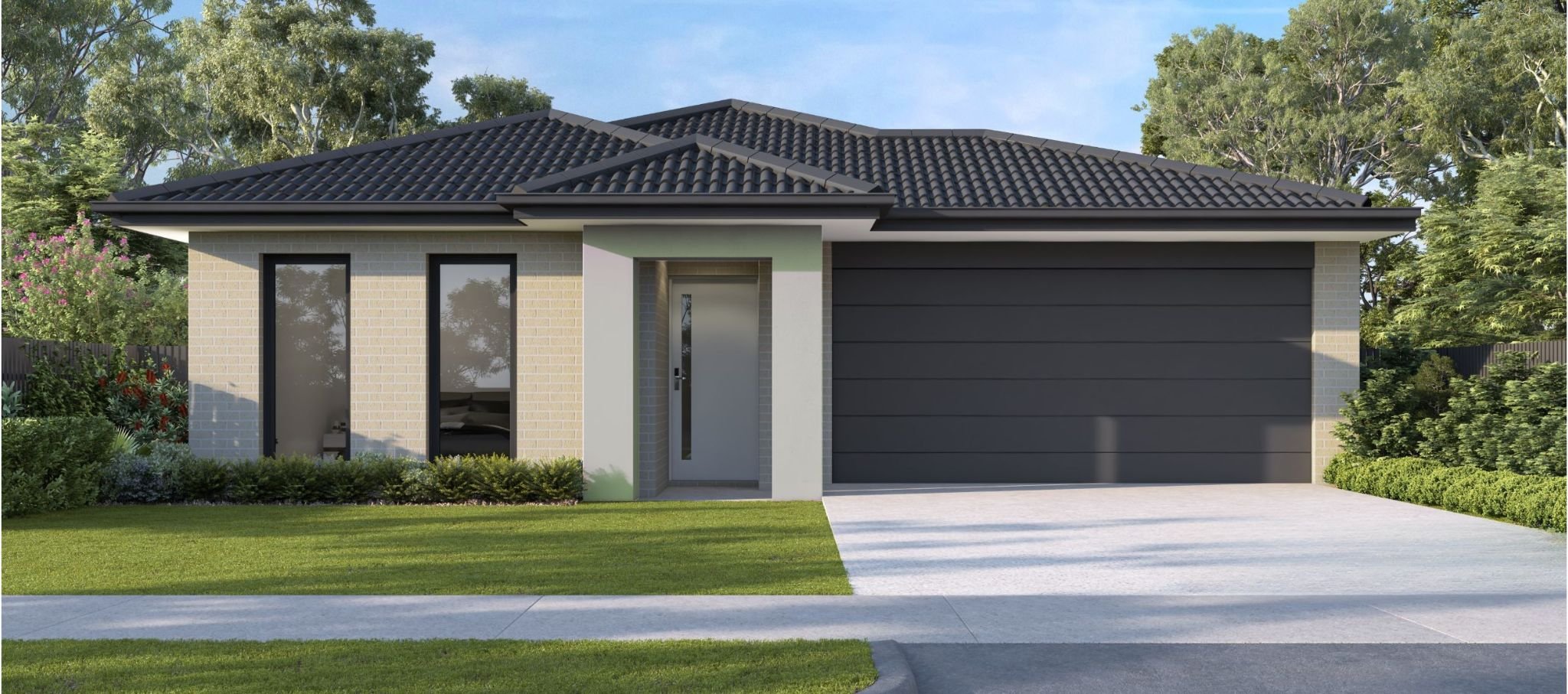
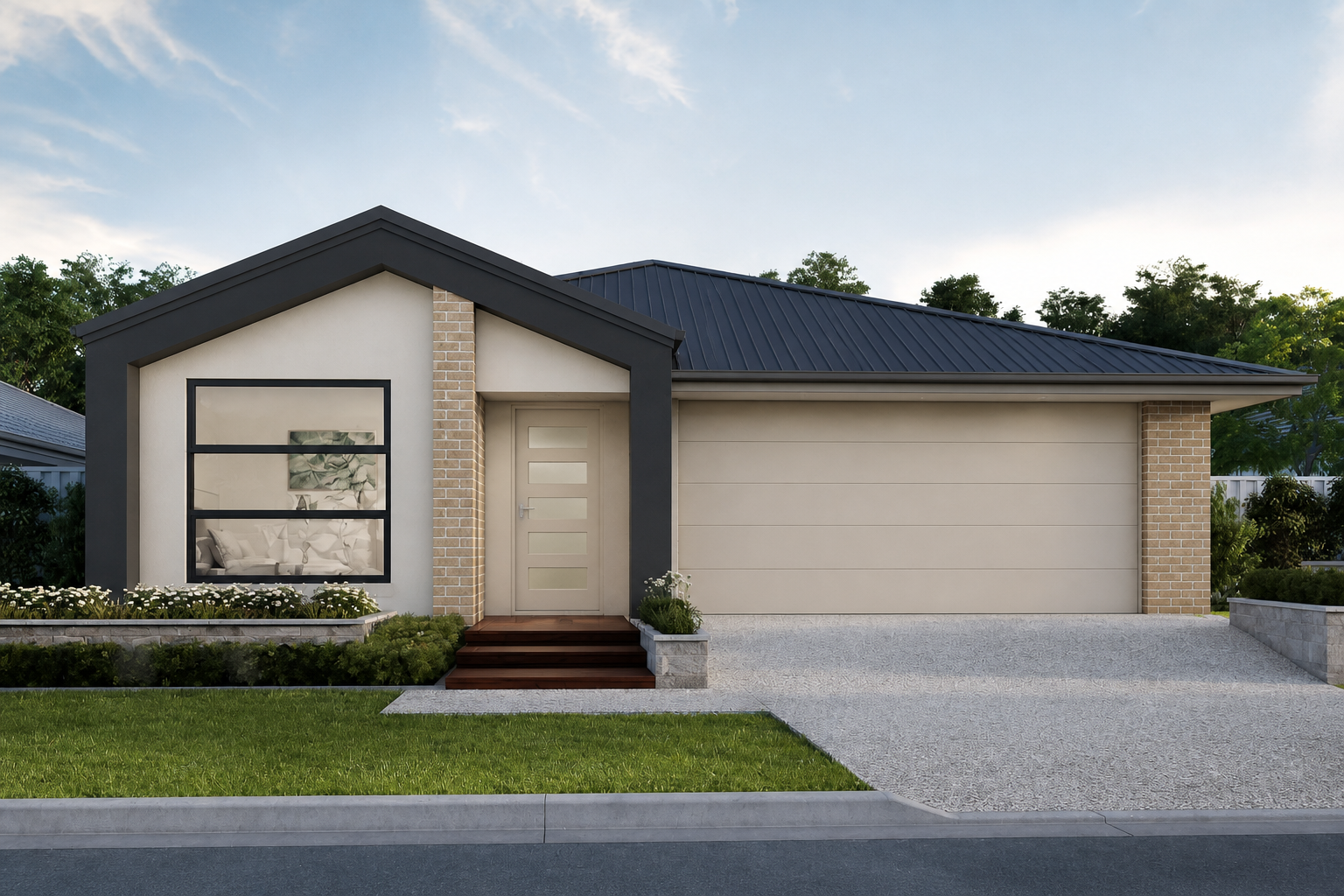
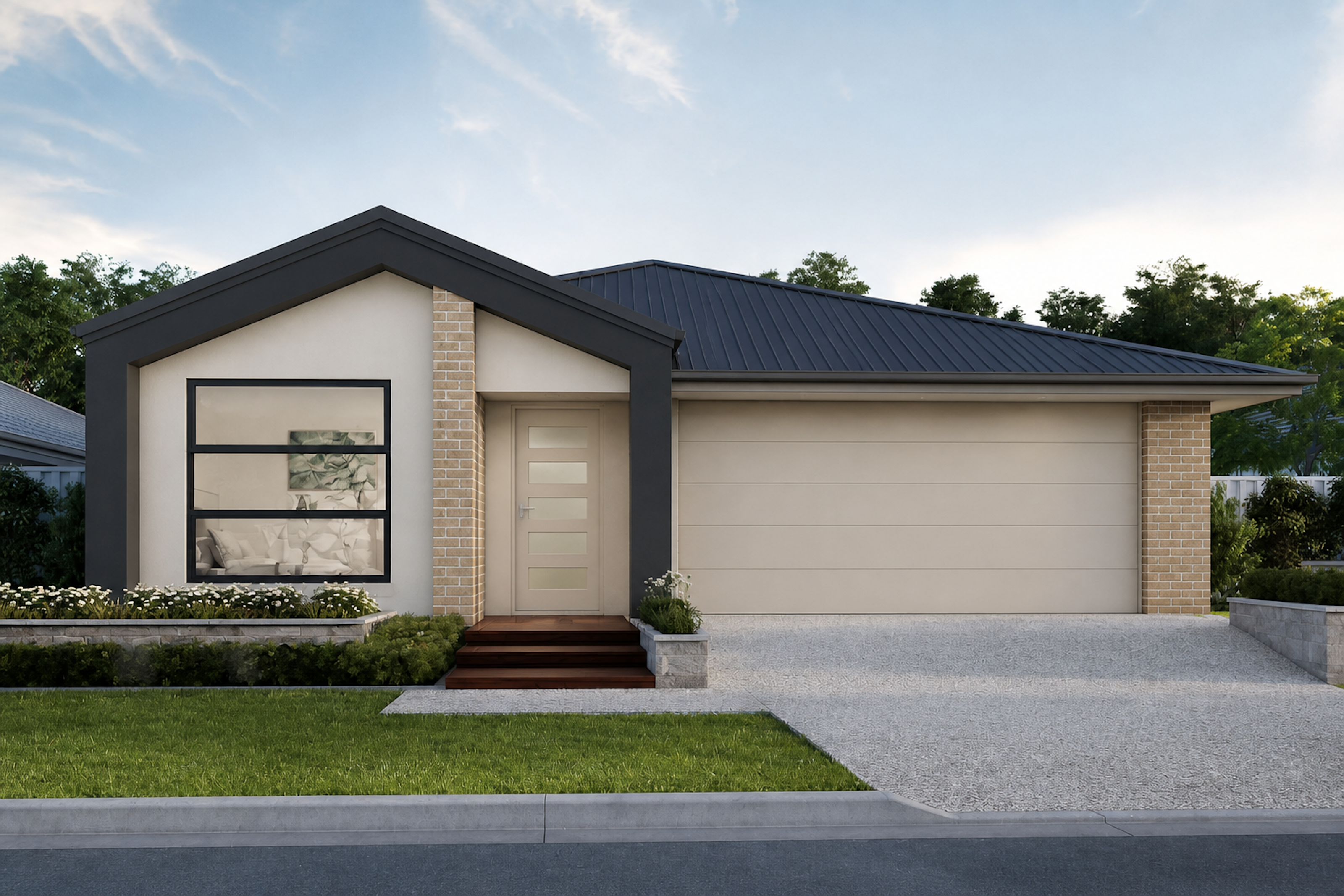
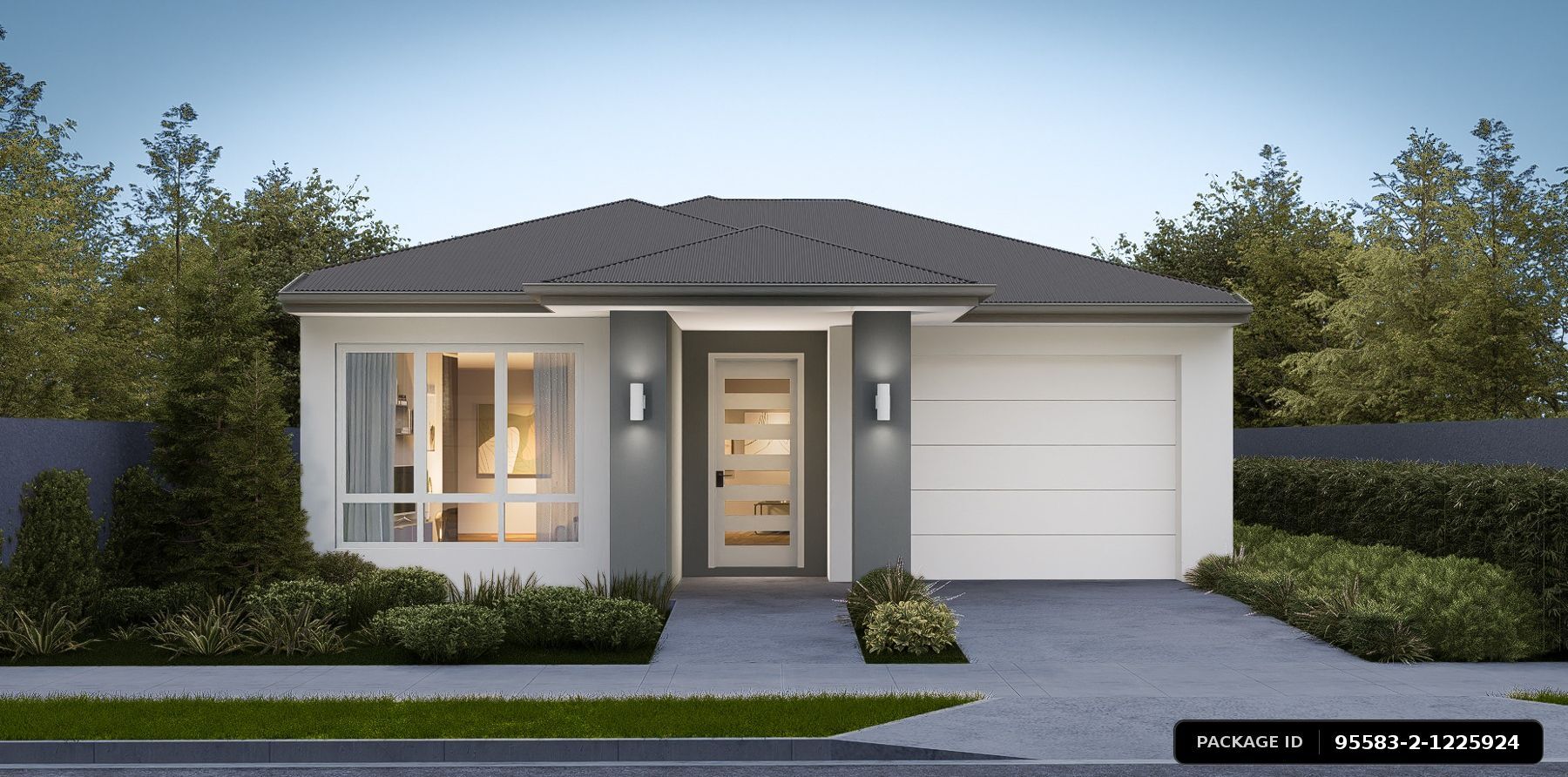
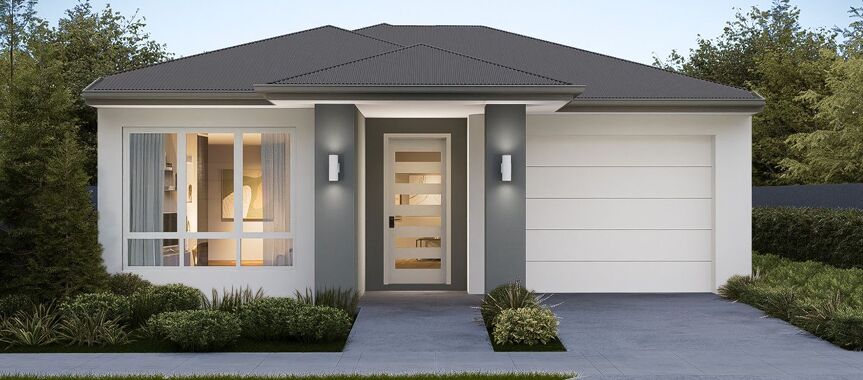
This Co-living in Deanside offers a well-balanced combination of modern living and investment potential. Featuring 5 bedrooms, 5 bathrooms and 2 car space/s, it has been designed with both comfort and functionality in mind. Its practical layout and quality finishes make it appealing to tenants and homeowners alike. Located in a growing area, it provides strong prospects for both rental demand and long-term capital growth. A property that delivers both lifestyle and value.
Suburb profile:
Deanside is an emerging suburb in Melbourne's western growth corridor known for its modern estates and family friendly appeal. The area offers convenient access to Caroline Springs, major roads, nearby schools, and expanding retail options. Ongoing infrastructure delivery and new housing estates are supporting strong demand and long term growth. Investors are attracted to Deanside for its affordability, connectivity, and future upside.
Offering a blend of functionality, style and growth potential, this Co-living in Deanside is designed to perform. Whether for investment or living, it provides lasting value in a competitive market. A property that meets both present and future needs.
A co-living property is a type of shared accommodation that offers private bedrooms with ensuite bathrooms and communal spaces such as kitchens, living rooms, dining areas, laundry facilities and outdoor areas.
Co-living properties are designed to foster a sense of community, convenience and comfort among the residents, who can enjoy the benefits of having their own space as well as socialising with like-minded people.
A co-living property attracts tenants who are looking for an affordable, flexible and hassle-free living option that suits their lifestyle and needs.
Co-living tenants are typically young professionals, students, digital nomads, entrepreneurs, creatives and seniors who value convenience, connectivity and collaboration.
A co-living property offers benefits to an investor who is looking for a high-yield, low-risk and future-proof investment opportunity.
Co-living properties have a higher occupancy rate, lower vacancy rate and lower turnover rate than traditional rental properties, as they cater to the growing demand for affordable and flexible housing solutions in urban areas.
Co-living properties also have higher capital growth potential, as they are generally located in prime locations with access to transport, education, employment and entertainment hubs.
You can read more about Co-Living here: Co-Living: The Future of Australian Housing.
INCLUSIONS
ELECTRICAL INCLUSIONS
INTERNAL INCLUSIONS
EXTERNAL INCLUSIONS
| SITE INCLUSIONS-SITE WORKS, FOUNDATIONS & CONNECTIONS
PRELIMINARY INCLUSIONS
LANDSCAPING INCLUSIONS
APPLIANCE INCLUSIONS
UPGRADED INCLUSIONS
ENERGY EFFICIENCY
WARRANTIES
|

By Aus Investment Properties ·
Read More »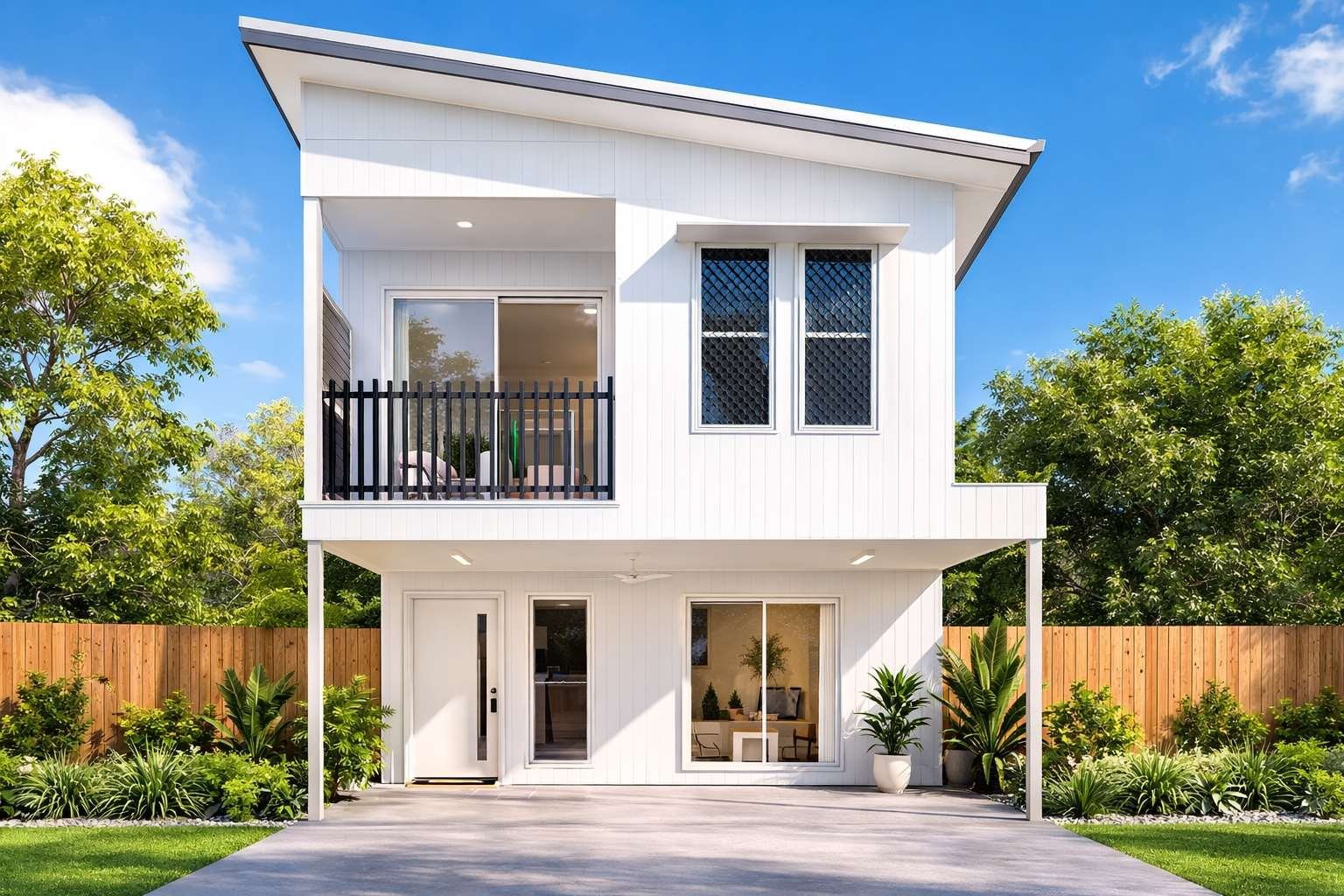
By Aus Investment Properties ·
Read More »
By Aus Investment Properties ·
Read More »
By Aus Investment Properties ·
Read More »

By Aus Investment Properties ·
Read More »Capital Growth 12 months, measures the increase in a property’s value over the previous 12 months, indicating how much the investment has appreciated in that timeframe.
Capital Growth 10-year annualised, reflects the average annual increase in a property’s value over the last decade, smoothing out short-term fluctuations to show long-term appreciation trends.
Vacancy Rate, indicates the percentage of properties that are currently unoccupied in that postcode, It’s a key indicator for investors to assess the rental demand.