
Ten Years of Postcode Growth: Consistency Beats the Headline
By Aus Investment Properties ·
Read More »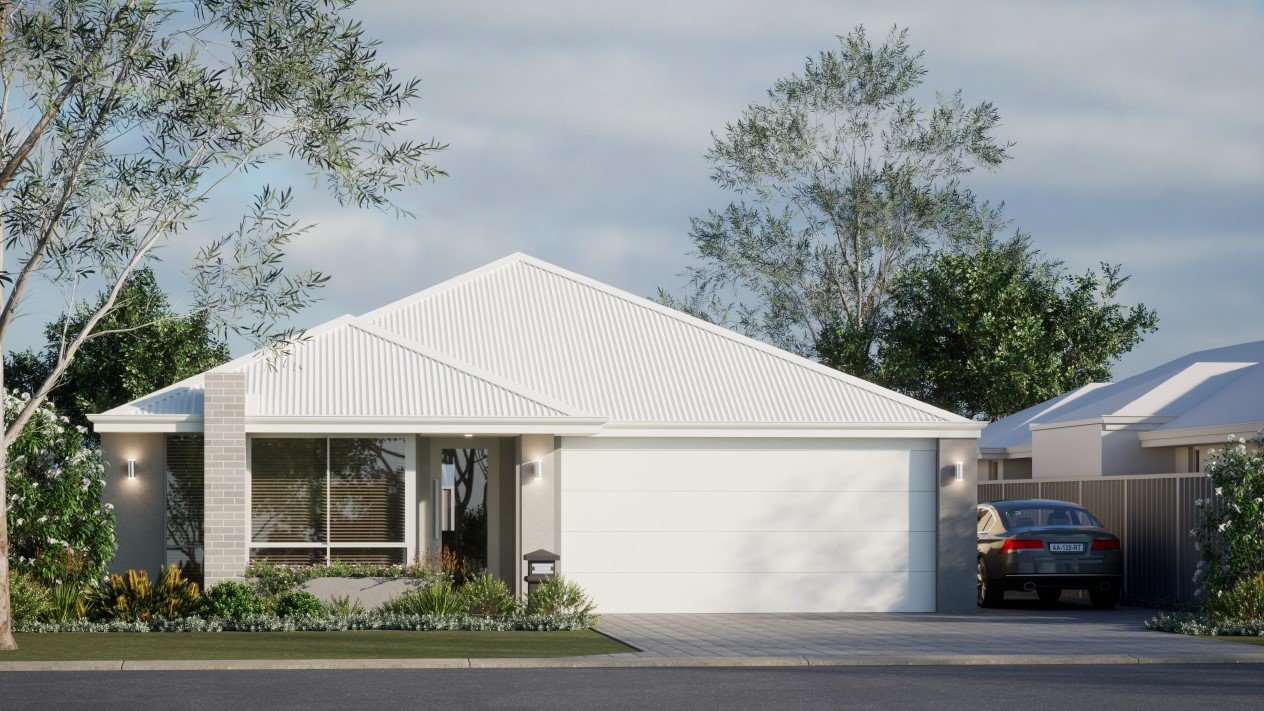
Updated on Oct 06, 2026
| Property Type: | Co-living |
|---|---|
| Price: | $ 888,990 |
| Land Price: | $ 332,000 |
| Build Price: | $ 556,990 |
| Gross Per Week: | $ 1,440 |
| Gross Per Annum: | $ 74,880 |
| Gross Yield: | 8.42% |
| Capital Growth 12 Months: | 11.04% |
| 10Yr Annualised Growth: | 6.78% |
| Vacancy Rate: | 0.00% |
| Property Size: | 214 m2 |
| Land Area: | 350 m2 |
|---|---|
| Bedrooms: | 4 |
| Bathrooms: | 4 |
| Parking: | 2 |
| Land Title Date: | December 2026 |
| Property ID: | 35860 |
| SKU: | 1071 |
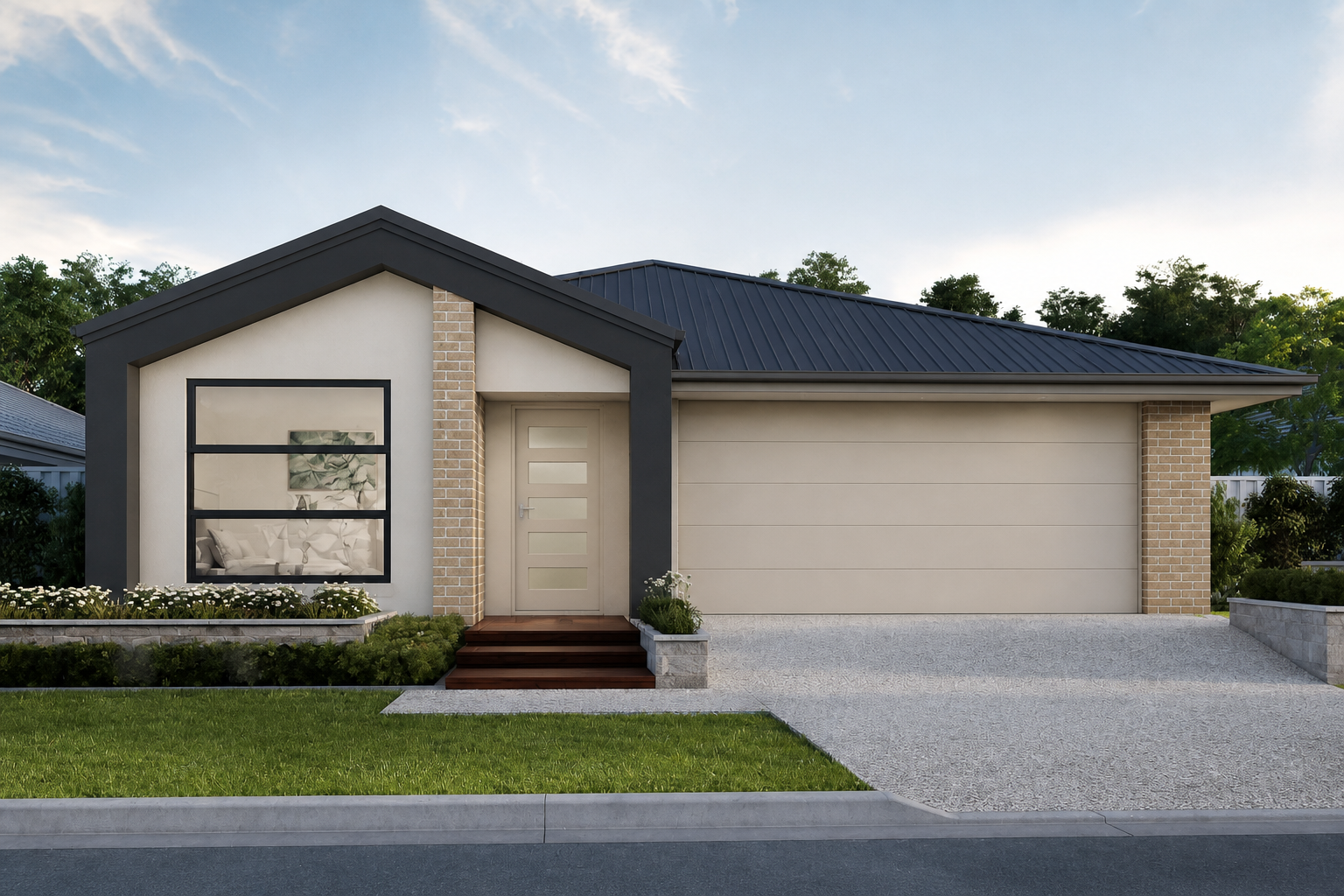
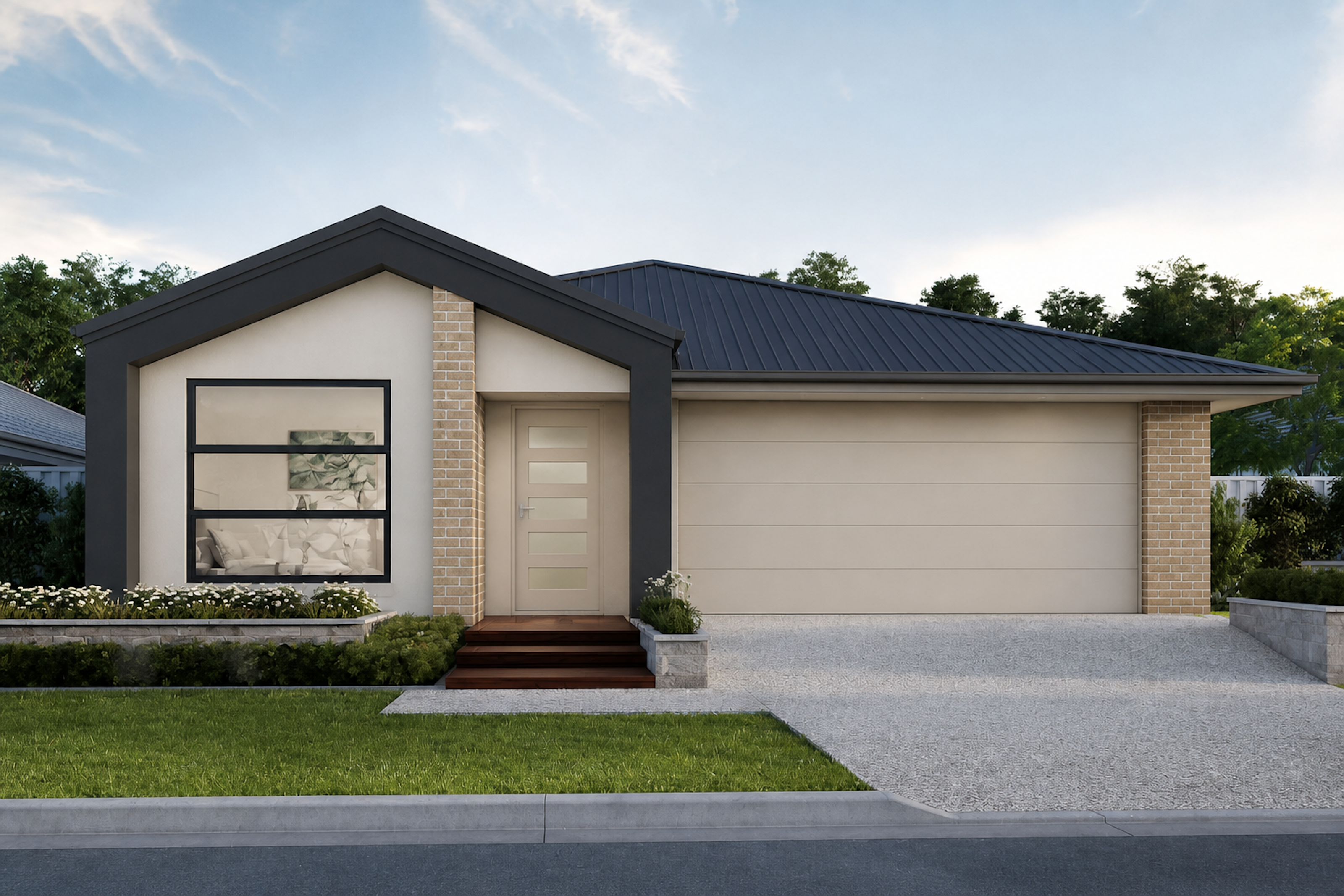
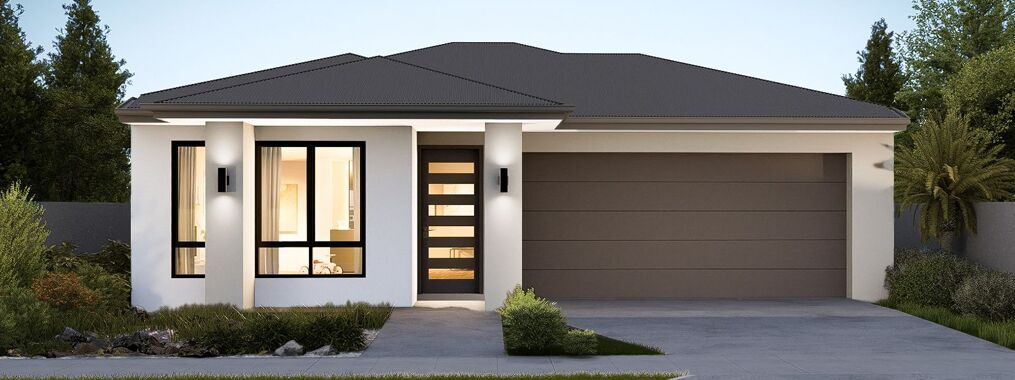
This Co-living in Mundijong has been carefully crafted to offer both practical living and solid returns. Featuring 4 bedrooms, 4 bathrooms and 2 car space/s, it balances functionality with contemporary style. Designed to meet the demands of modern tenants, it provides strong rental performance and long-term growth. Its combination of design, location and value makes it a reliable investment option. A smart addition to any property portfolio.
Suburb profile:
Mundijong is an emerging growth suburb in Perth’s south-east corridor, offering a relaxed semi-rural lifestyle combined with strong investment potential. The area is supported by local amenities including schools such as Mundijong Primary School, nearby shopping options, and convenient access to the South Western Highway connecting residents to the wider Perth region. Ongoing residential developments and infrastructure improvements are attracting families and investors seeking affordability and space without sacrificing accessibility. With increasing demand for quality housing and limited supply of new stock, Mundijong continues to position itself as a promising suburb for both lifestyle buyers and long-term investors.
This Co-living in Mundijong delivers a combination of modern comfort and investment strength. Its thoughtful design and strategic location make it a valuable option for buyers seeking both performance and practicality. An opportunity worth considering.
A co-living property is a type of shared accommodation that offers private bedrooms with ensuite bathrooms and communal spaces such as kitchens, living rooms, dining areas, laundry facilities and outdoor areas.
Co-living properties are designed to foster a sense of community, convenience and comfort among the residents, who can enjoy the benefits of having their own space as well as socialising with like-minded people.
A co-living property attracts tenants who are looking for an affordable, flexible and hassle-free living option that suits their lifestyle and needs.
Co-living tenants are typically young professionals, students, digital nomads, entrepreneurs, creatives and seniors who value convenience, connectivity and collaboration.
A co-living property offers benefits to an investor who is looking for a high-yield, low-risk and future-proof investment opportunity.
Co-living properties have a higher occupancy rate, lower vacancy rate and lower turnover rate than traditional rental properties, as they cater to the growing demand for affordable and flexible housing solutions in urban areas.
Co-living properties also have higher capital growth potential, as they are generally located in prime locations with access to transport, education, employment and entertainment hubs.
You can read more about Co-Living here: Co-Living: The Future of Australian Housing.
Forecasted value is based on the 10 Year annualised growth.

By Aus Investment Properties ·
Read More »
By Aus Investment Properties ·
Read More »
By Aus Investment Properties ·
Read More »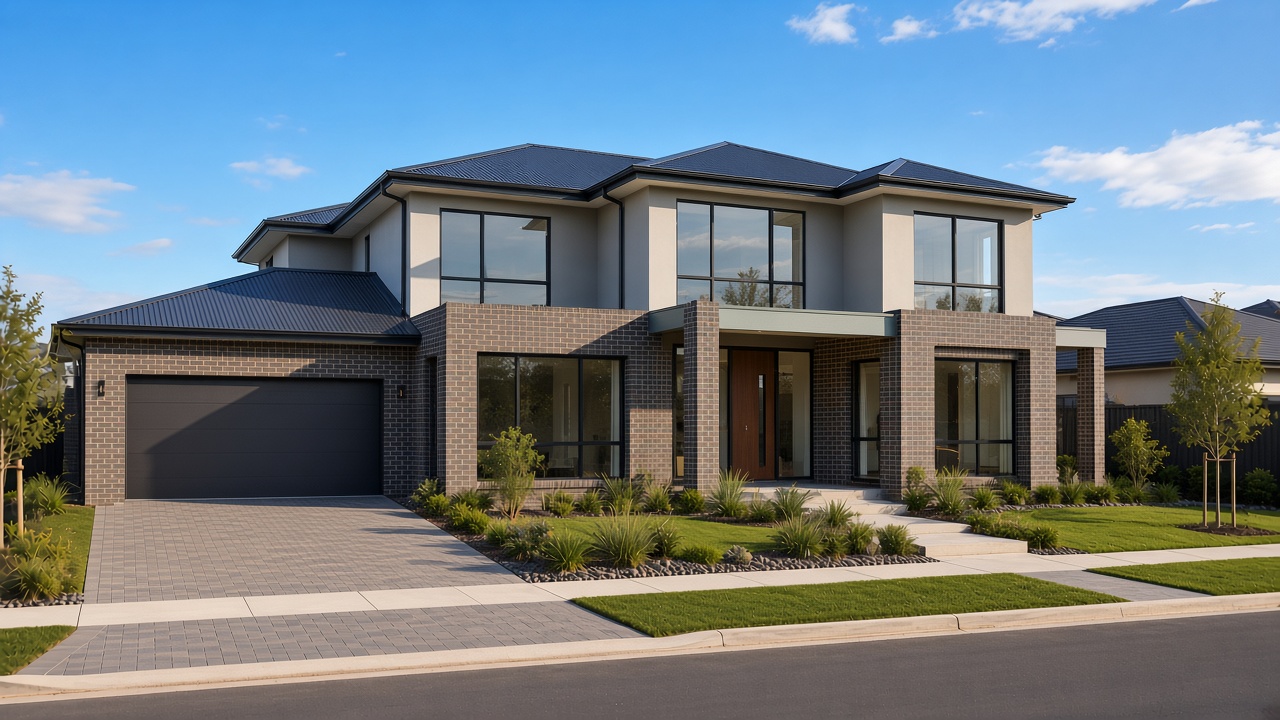
By Aus Investment Properties ·
Read More »

By Aus Investment Properties ·
Read More »Capital Growth 12 months, measures the increase in a property’s value over the previous 12 months, indicating how much the investment has appreciated in that timeframe.
Capital Growth 10-year annualised, reflects the average annual increase in a property’s value over the last decade, smoothing out short-term fluctuations to show long-term appreciation trends.
Vacancy Rate, indicates the percentage of properties that are currently unoccupied in that postcode, It’s a key indicator for investors to assess the rental demand.