 By Aus Investment Properties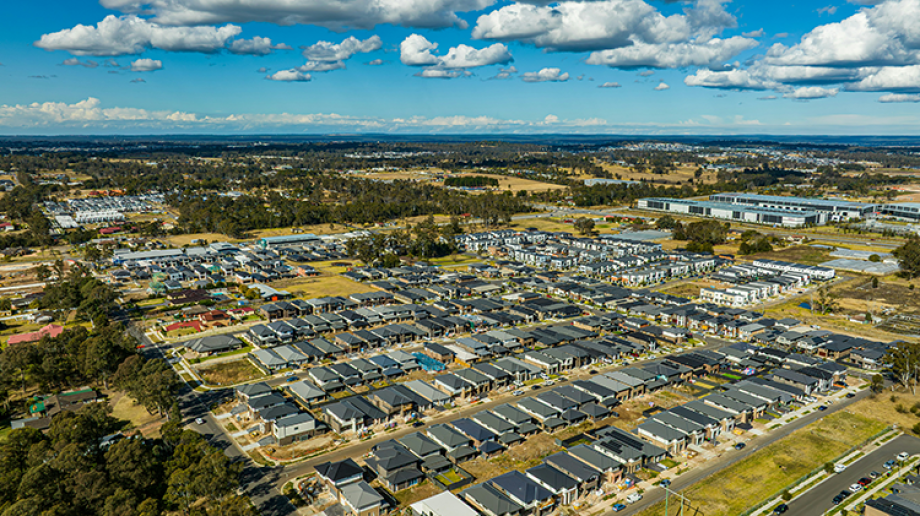


Tight supply, strong population growth and the opportunities emerging for long term investors
TL;DR Australia’s housing shortage continues to deepen as population growth accelerates while new housing construction struggles to keep pace. For property investors, this imbalance between supply and demand is supporting strong rental markets and long term property fundamentals. While interest rates remain higher than in previous years, the structural shortage of housing across Australia continues to create opportunities for well positioned investors.
Why Australia’s Housing Shortage Is Getting Worse
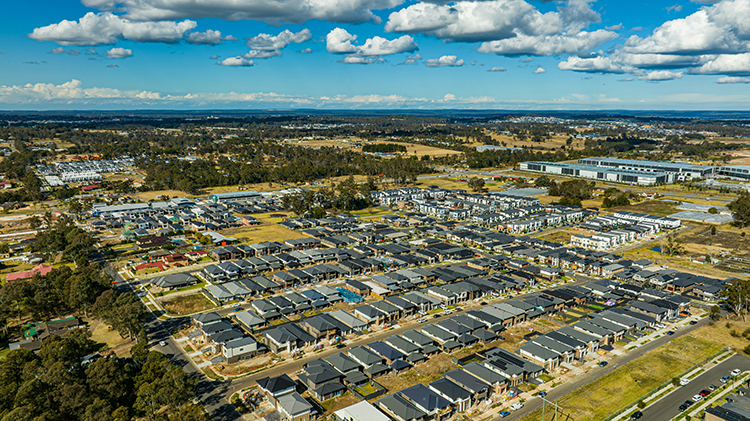
Australia’s housing shortage is becoming one of the most significant forces shaping the property market in 2026. Put simply, Australia is not building enough homes to keep up with demand.
Several factors have contributed to the current supply constraints:
-
Construction costs remain elevated
-
Skilled labour shortages continue across the building industry
-
Planning and approval processes can take considerable time
-
New housing supply has not kept pace with population growth
At the same time, demand for housing has strengthened significantly due to population growth and migration.
This growing imbalance between supply and demand is tightening rental markets and supporting property values across many parts of the country.
New Housing Supply Is Struggling to Keep Up
While Australia continues to build new homes, the pace of construction has not kept up with the rapid growth in housing demand.
Higher building costs and longer construction timelines have slowed the delivery of new housing supply in many areas. At the same time, planning and approval processes can extend development timelines, particularly in major capital cities.
The federal government has set a target to deliver 1.2 million new homes by 2029, highlighting how urgently additional housing supply is needed.
However, increasing supply at this scale takes time, meaning the current shortage is likely to remain a key feature of the housing market in the near term.
Population Growth Is Driving Demand
Australia’s population growth has rebounded strongly in recent years, largely driven by overseas migration.
Skilled workers, international students and returning Australians are all contributing to increased demand for housing across major cities and key regional centres.
As more people arrive in Australia, more households are formed, which naturally increases demand for both rental accommodation and homes to purchase.
With housing supply taking time to respond, this population growth is placing additional pressure on already tight property markets.
For investors, this sustained demand is one of the most important drivers supporting long term housing fundamentals.
Rising Rents Across Australia
One of the most visible effects of the housing shortage is the strength of Australia’s rental market.
Vacancy rates remain extremely low in many parts of the country, which means there are fewer rental properties available relative to the number of tenants searching for accommodation.
When rental supply is limited and demand is strong, rents typically increase. Over the past two years many landlords have experienced notable rental growth as the market adjusts to these conditions.
While rental growth may moderate over time, strong demand and limited supply suggest the rental market is likely to remain tight in many locations.
For investors, this can help improve rental yields and strengthen overall investment performance.
What This Means for Property Investors
For investors with a long term perspective, the housing shortage represents an important structural trend in the Australian property market.
When demand consistently exceeds supply, several outcomes often occur:
-
Rental demand remains strong
-
Vacancy rates stay low
-
Property values are supported over time
-
Well located homes become increasingly sought after
Of course, not every property will perform the same. Factors such as location, local supply levels, infrastructure investment and employment growth all play an important role in determining investment performance.
However, the broader national shortage of housing creates a supportive environment for property markets over the long term.
Investors who focus on areas experiencing strong population growth, infrastructure investment and limited housing supply are often best positioned to benefit from these conditions.
Risks to Consider
Despite the strong fundamentals created by the housing shortage, investors should still approach the market carefully.
Interest rates remain higher than they were several years ago, which can influence borrowing capacity and cash flow.
Government housing policies may also evolve as policymakers attempt to address affordability and increase housing supply.
For these reasons, maintaining financial buffers and taking a disciplined approach to property selection remains essential.
Outlook
Australia’s housing shortage is unlikely to be resolved quickly. Even if construction activity increases in the coming years, it will take time for new housing supply to reach the market.
At the same time, population growth is expected to remain strong, continuing to support housing demand across the country.
For property investors, this imbalance between supply and demand is likely to remain a defining feature of the Australian property market for years to come.
While short term market conditions may fluctuate, the long term fundamentals continue to favour well researched and strategically chosen property investments.
Ready to Find Your Next Investment Property?
With housing demand continuing to outpace supply across many parts of Australia, choosing the right investment property has never been more important.
To discover investment opportunities and learn more about building a successful property portfolio, visit: www.ausinvestmentproperties.com.au
Photo by Shanjir H
_1776213150EC5td.jpg)
-(1)_17762144417K00n.png)
_1776214724iUydB.png)