 By Aus Investment Properties By Aus Investment Properties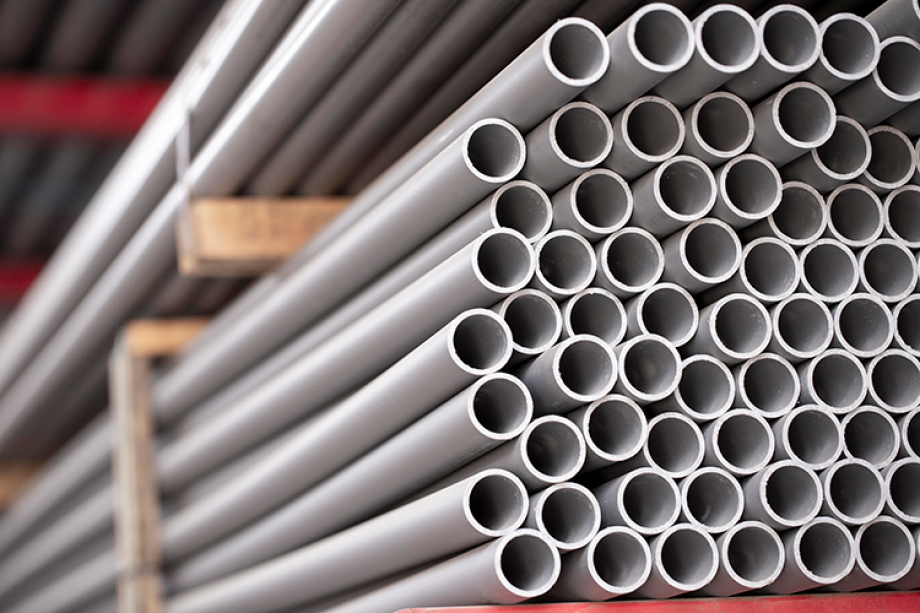
PVC pipe prices are already rising, fuel levies are spreading through the supply chain, and investors need to know what this means for project feasibility, builder contracts, and returns.
TL;DR, Oil-linked supply shocks are already lifting construction costs in Australia. PVC-related products have reportedly risen by more than 30%, with some Reece-linked pipe products flagged at up to 36%. Fuel levies are also flowing into concrete and other materials. For property investors, this can mean tighter margins, reduced feasibility, and greater risk around build timelines and final costs. A fixed price contract can help, but only if the contract wording is tight and does not leave room for provisional sums, prime cost items, or escalation clauses.
Yes, rising oil prices can increase building costs for investors
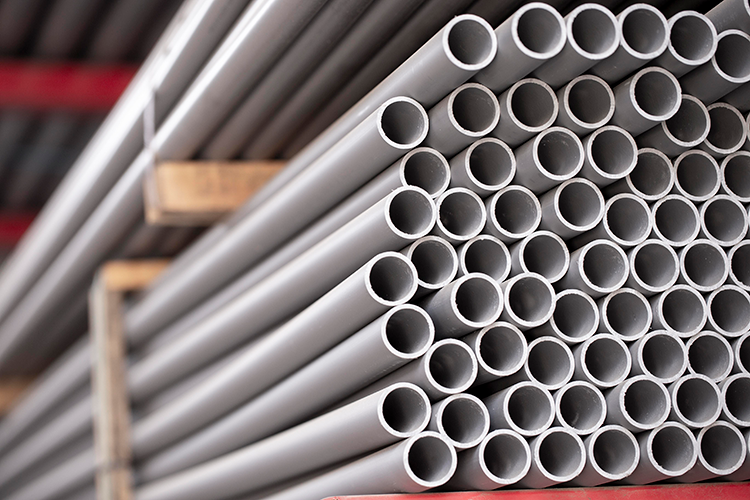
Yes, rising oil prices can absolutely push up building costs for Australian property investors, and we are already seeing signs of it in 2026. PVC is one of the clearest examples because it is tied to petrochemical inputs and freight costs. Recent Australian reporting says PVC prices have risen by more than 30%, and some Reece-linked plumbing and stormwater products have been flagged for increases of up to 36%. At the same time, suppliers are reportedly applying emergency fuel levies across materials including sand and concrete, while Boral’s current concrete fee schedules include a production and transport surcharge linked to global energy, commodity and supply chain cost escalation.
For Australian property investors, rising material costs matter because they directly affect feasibility. On paper, a new build, duplex, house-and-land package or small development might still look profitable. But when core inputs move suddenly, the margin can narrow very quickly.
PVC is especially relevant because it is used widely in plumbing, drainage and stormwater systems. If those products jump sharply in price, the increase might not look huge relative to the entire build cost, but it adds pressure to a budget that is already dealing with labour shortages, finance costs and delays. ABC reporting has already highlighted both sharp PVC increases and product shortages, which means the risk is not only price, but also timing.
There are also broader cost signals outside PVC. Master Builders Australia said in March 2026 that surging fuel prices and disrupted supply chains would increase construction costs. It later noted that new home building inflation reached a 16-month high, with the cost of a new home up 3.7% over the year to February 2026. That tells investors this is not just a narrow plumbing issue. It is a wider cost environment that can affect multiple trades and materials.
The official data supports that broader story too. ABS Producer Price Index data for the December 2025 quarter showed input prices for house construction still rising, with ceramic products increasing due to higher energy, wages, fuel and raw material costs. Earlier ABS releases also showed rises in timber, copper, aluminium and plaster-related inputs. In other words, pressure has not been limited to one category.
So what does this mean for investors in practical terms?
First, feasibility needs a wider buffer. A project that looked comfortable six months ago may now need a stronger contingency allowance. Second, project timing matters more. Even if the contract price does not blow out immediately, supply shortages and slower procurement can increase holding costs, interest costs and vacancy periods. Third, investors comparing off-the-plan or turnkey opportunities should ask more questions about what has and has not been locked in by the builder or developer.
A common question is whether a fixed price contract protects investors from these increases. The answer is: sometimes, but not completely. A genuine fixed price contract can protect you from many unexpected cost increases after signing. But the protection depends on the wording. If the contract includes provisional sums, prime cost items, special conditions, or escalation mechanisms, the final amount can still move. Master Builders NSW has specifically warned builders to review contracts carefully in response to rising fuel and supply costs, especially where clauses may affect pricing and delivery risk.
For investors, the practical lesson is simple. Do not rely on the words “fixed price” alone. Check whether plumbing, drainage, concrete and other volatile components are fully specified. Ask whether freight surcharges or fuel-related charges are excluded. And make sure your solicitor or conveyancer reviews any special conditions before you commit.
Outlook
The near-term outlook remains cautious. If oil and fuel markets stay volatile, the pressure on petrochemical products, freight and trade costs is likely to continue. Master Builders NSW has already said suppliers and trades may not necessarily reduce prices quickly even if global conditions stabilise. That means some increases can linger longer than investors expect.
For Australian property investors, this points to a market where careful due diligence will matter more than ever. New builds can still be attractive, especially where land, depreciation benefits and tenant demand are strong, but the margin for error is smaller when build costs are under pressure.
Conclusion
Rising oil prices are not just a headline issue. They are already filtering into Australian construction through PVC, freight, concrete and supplier surcharges. For investors, that means higher build risk, tighter feasibility, and a stronger need to understand contract structure before signing.
The good news is that risk can still be managed. Investors who build in realistic contingencies, choose experienced builders, and review contract clauses properly are in a much better position than those who assume “fixed price” means “risk free”.
Key Takeaways
PVC-related products in Australia have reportedly been flagged for increases of up to 36%, making plumbing and drainage a key risk area.
Fuel levies and transport surcharges are now affecting other materials, including concrete and sand.
New home building inflation in Australia has accelerated again, showing this is a broader cost issue, not just a PVC issue.
Fixed price contracts can help, but only if the wording limits allowances, variations and escalation mechanisms.
Smart investors should review feasibility, contingency and contract terms more carefully in the current market.
Visit ausinvestmentproperties.com.au to view all our available investment properties, use our advanced filters to drill down on your perfect property.
Prev Post
March 2026 Quarterly Property Report
By Aus Investment Properties_1776298926ZIsg0-card.png)
Stricter “Company & Trust” Loan Rules Could Change Your Investment Strategy, Here’s What You Need to Know The landscape for property investors in Australia is shifting. From 22nd November 2025 CBA introduced tighter lending rules for non individual borrowers that is, companies and trusts significantly affecting how investors finance property through those structures.
By Aus Investment Properties_1776296853JHnDe-card.png)
New data shows both investors and first-home buyers are re-entering the market. Behind the headlines lies a shift in financial conditions, lending trends, and structural supply issues shaping investor opportunity. After a period of relative stagnation, Australia’s property market is showing renewed strength. Recent figures confirm national home values rose by 1.1 per cent in October and 6.1 per cent over the past year, the most pronounced annual lift in more than two years.
By Aus Investment Properties_1776304825CVtKU-card.png)
Don't just observe the housing crisis – leverage it. Understand how Australia's unprecedented dwelling deficit could be the catalyst for your next successful investment. Australia is grappling with a significant housing shortage, a topic dominating headlines and impacting individuals across the nation. While the human element of this crisis is undeniable, for astute property investors, it also presents a compelling, long-term opportunity.
By Aus Investment Properties
October 2025 shows a mixed picture. The national average build price per m² eased to $2,387.33 per m², down -7.51% from $2,581.17 per m² in July. At a property type level, Dual Occupancy recorded the strongest average at $3,120.87 per m² and rose +7.27% on July, while Co-Living and House and Land were broadly flat to slightly lower. Variations by state were material, with VIC Dual Occupancy rising sharply and WA Co-Living also lifting.
By Aus Investment Properties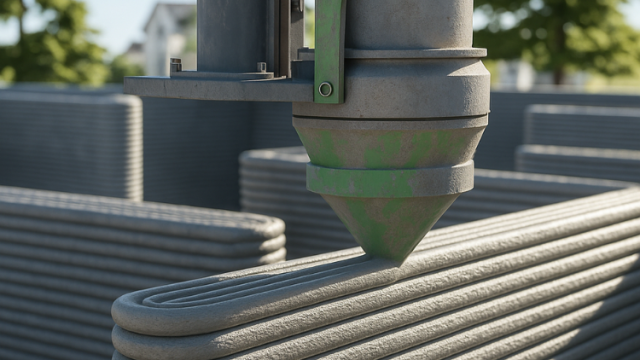
How innovation in construction could reshape affordability, sustainability, and investment opportunities Australia’s housing market faces ongoing challenges, rising construction costs, supply shortages, and an affordability crisis impacting both buyers and renters. For investors, these conditions can slow down projects, push up costs, and reduce yields. But an emerging innovation could help change the landscape, 3D printed homes.
By Aus Investment Properties

_1776213150EC5td.jpg)
Capital Growth 12 months, measures the increase in a property’s value over the previous 12 months, indicating how much the investment has appreciated in that timeframe.
Capital Growth 10-year annualised, reflects the average annual increase in a property’s value over the last decade, smoothing out short-term fluctuations to show long-term appreciation trends.
Vacancy Rate, indicates the percentage of properties that are currently unoccupied in that postcode, It’s a key indicator for investors to assess the rental demand.
SMSF Property Investing, when investing inside your SMSF there are some restrictions on how you can purchase investment properties. We use the following information to help navigate the SMSF investment property options.
This property is a single-contract property suitable for an SMSF.
SMSF Single Contract-(1)_17762144417K00n.png)
_1776214724iUydB.png)