Investigating the challenges and potential solutions for the housing crisis.
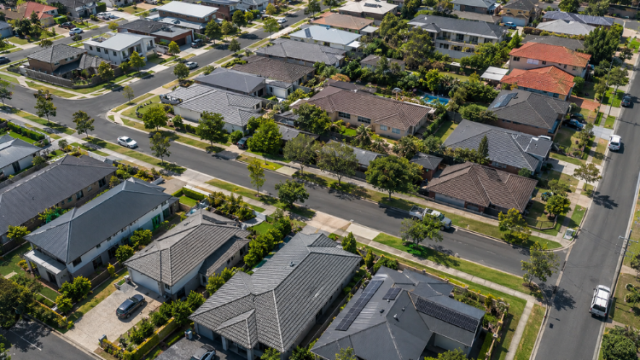
As the housing market continues to evolve, it’s crucial to stay informed about the factors influencing property availability and affordability. Recent data reveals that Australia’s housing undersupply has surpassed 200,000 dwellings, a significant milestone that has widespread implications for the property market.
Understanding the Undersupply
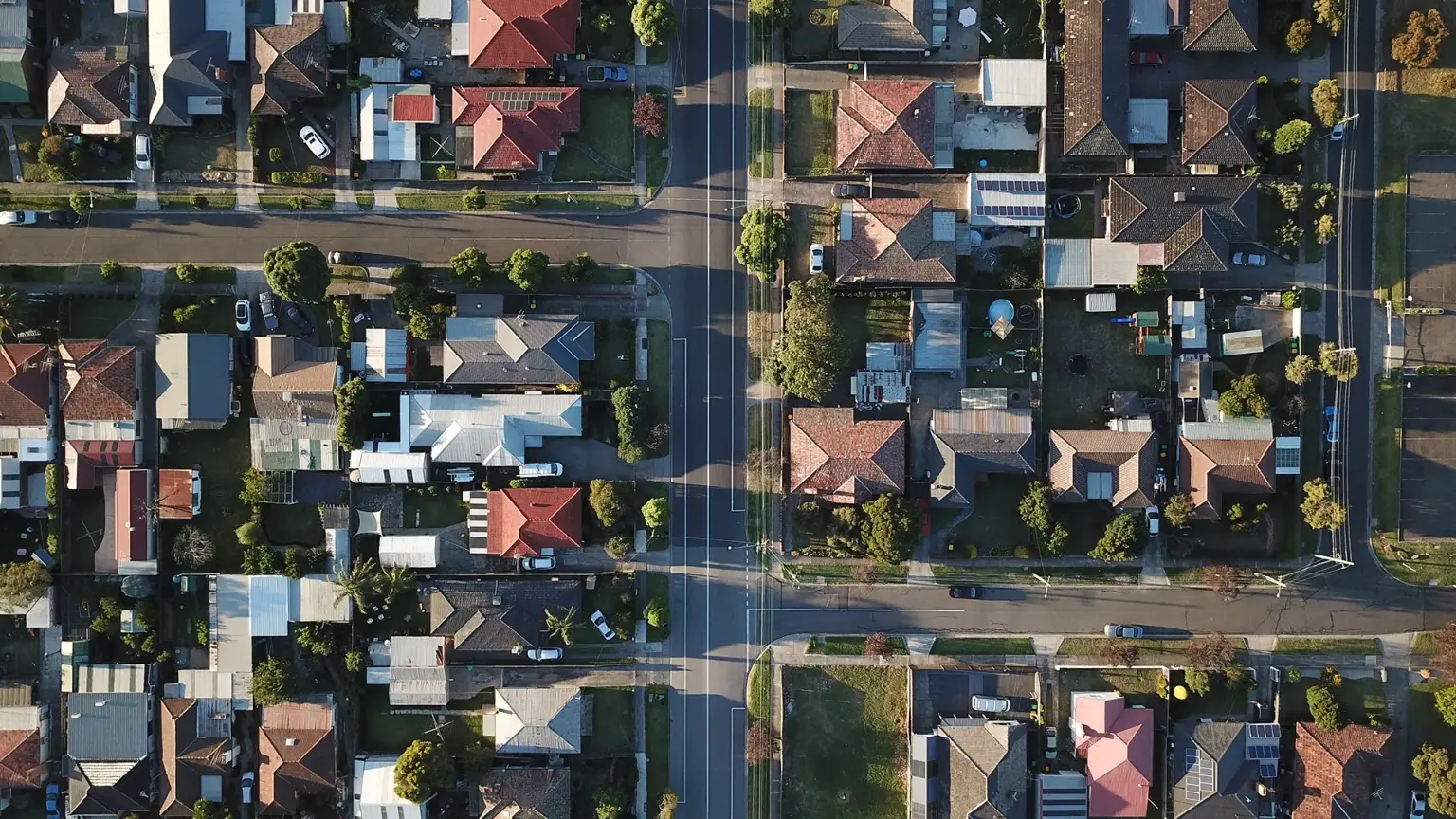
The undersupply of housing in Australia is a pressing issue that affects both potential homeowners and renters. This shortage stems from a combination of factors, including population growth, slow housing construction rates, and regulatory hurdles. The gap between the number of new homes being built and the number needed to meet demand has been widening, leading to increased competition and rising prices in many areas.
Key Data and Trends
Recent analysis highlights the extent of the housing undersupply. According to CoreLogic, Australia’s housing shortfall has now exceeded 200,000 dwellings. This figure is derived from a detailed examination of housing demand versus supply, factoring in population growth and household formation rates.
Population Growth and Housing Demand
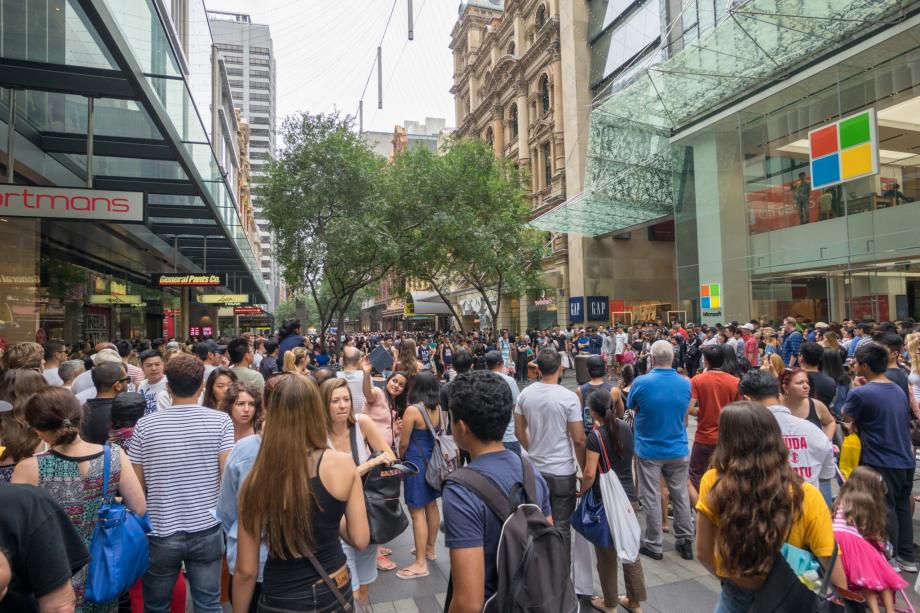
Australia’s population has been growing steadily, driven by both natural increase and immigration. This growth fuels the demand for housing, as more people require places to live. The following graph illustrates the trend in population growth over recent years and its impact on housing demand:
Slow Housing Construction Rates
Despite the increasing demand, the rate of new housing construction has not kept pace. Several factors contribute to this, including construction costs, availability of labour, and regulatory approvals. The discrepancy between housing starts and completions is shown in the graph below:
Implications for the Property Market
The persistent undersupply of housing has several consequences for the property market:
Increased Prices: With more people competing for fewer homes, property prices have been driven up, making it more challenging for first-time buyers to enter the market.
Rental Market Pressure: The undersupply also impacts the rental market, where high demand and limited availability lead to increased rents and reduced rental affordability.
Socio-Economic Impacts: Housing affordability is a critical issue that affects many Australians, influencing their quality of life and economic stability.
Addressing the Challenge
To address the housing undersupply, coordinated efforts from both the government and the private sector are required. Key measures include:
Policy Reforms: Streamlining the approval processes for new developments and implementing policies that encourage construction can help increase the housing supply.
Investment in Infrastructure: Supporting infrastructure projects that facilitate housing development, such as transportation and utilities, is essential.
Innovative Solutions: Embracing new building technologies and sustainable practices can also contribute to faster and more cost-effective construction.

 By Aus Investment Properties