New vs Established Investment Property in 2026: Why the Tax Rules Now Favour New Builds
From 1 July 2027, two investors paying the same price for the same rent can face very different tax bills, simply because one dwelling is new.
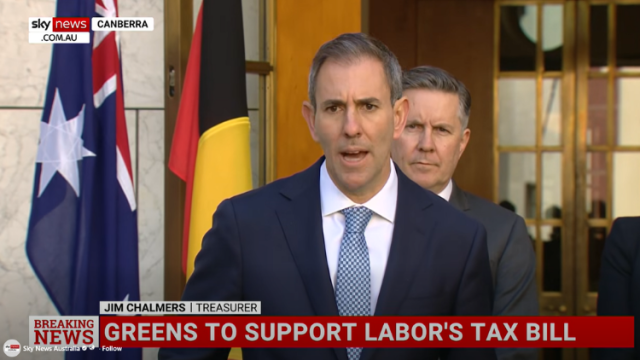
TL;DR The May 2026 Federal Budget abolished negative gearing for established properties purchased after 12 May 2026 and will replace the 50 per cent CGT discount with indexation from 1 July 2027. New builds are exempt and keep both tax benefits. With ABS data showing rents still rising and housing the biggest driver of inflation, high yield new builds such as co-living, dual occupancy and duplex homes now offer stronger cash flow and better tax treatment.
TL;DR Lone-person households are Australia’s fastest growing household type and make up roughly a quarter of the nation’s three million renting households, yet most rental stock is built for families. Purpose-built co-living, rooming house and studio accommodation adds multiple self-contained dwellings to a single block, delivers strong yields and targets a tenant pool that is growing every year. The investors who win in this space will be the ones who prioritise quality, compliance and location.
TL;DR The Australian Government has agreed to support an amendment that would ban future limited recourse borrowing arrangements, or LRBAs, for residential property by superannuation funds. Existing SMSF borrowings are not intended to change, and the Government has described a 45-day transition period for investments already in progress. There is no confirmed August cut-off yet, but investors relying on SMSF lending should treat August as a planning window, not a guaranteed deadline.
Australian property market forecasts for 2026 are generally positive, with most analysts expecting moderate price growth across the country. For property investors, however, headline growth figures tell only part of the story. The real question is not whether prices will rise, but where investment property fundamentals still stack up under tighter borrowing conditions and higher holding costs.
Don't just observe the housing crisis – leverage it. Understand how Australia's unprecedented dwelling deficit could be the catalyst for your next successful investment. Australia is grappling with a significant housing shortage, a topic dominating headlines and impacting individuals across the nation. While the human element of this crisis is undeniable, for astute property investors, it also presents a compelling, long-term opportunity.
Capital Growth 12 months, measures the increase in a property’s value over the previous 12 months, indicating how much the investment has appreciated in that timeframe.
Capital Growth 10-year annualised, reflects the average annual increase in a property’s value over the last decade, smoothing out short-term fluctuations to show long-term appreciation trends.
Vacancy Rate, indicates the percentage of properties that are currently unoccupied in that postcode, It’s a key indicator for investors to assess the rental demand.