Navigating Australia’s Rental Market: Opportunities and Insights for Property Investors

  • User By Aus Investment Properties


Navigating Australia's Rental Market: Opportunities and Insights for Property Investors

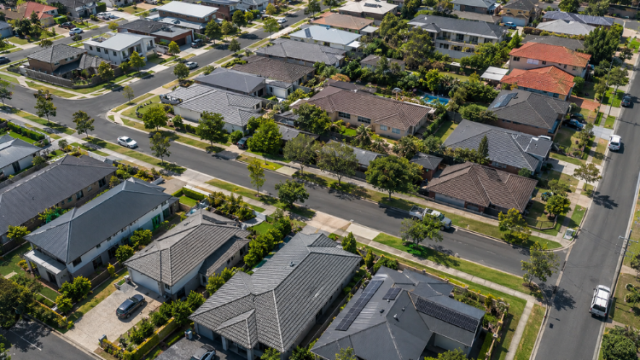
Australia’s rental market is currently exhibiting trends that could present unique opportunities for property investors. Recent data from SQM Research, as of February 2024, reveals significant shifts in vacancy rates and rental prices that could influence investment strategies. 

Decline in Vacancy Rates 

One of the most notable trends is the continued decrease in national vacancy rates, now standing at a mere 1.0%. This decline, albeit small (a 0.1% drop from January to February), signifies a tightening rental market. With the total number of rental vacancies across Australia falling to 30,161 properties, from 32,108 in January, the market is becoming increasingly competitive. This tightening is more pronounced in certain cities, with Sydney, Canberra, Darwin, and Hobart experiencing a 0.2% drop, and Melbourne and Brisbane seeing a 0.1% decrease. Conversely, Perth and Adelaide’s rates remained stable, suggesting regional variances in market dynamics. 

Moreover, vacancy rates in key CBD areas such as Sydney, Melbourne, and Brisbane have also decreased, standing at 3.3%, 2.7%, and 2.1% respectively. This decrease is indicative of a robust demand for rental properties in urban centres, potentially driven by tertiary students and new graduates entering the workforce. 

Rising Rental Prices 

Accompanying the drop in vacancy rates is an increase in capital city asking rents, which rose by 1.2% over the past 30 days leading to 12 March 2024, with a substantial 12-month increase of 11.4%. This rise in rents is not uniform across all cities; for instance, Darwin and Hobart experienced declines of 2.1% and 0.1%, respectively, while Melbourne recorded the fastest increase at 1.5%. 

The national median weekly asking rent for a dwelling now stands at $721.00, with Sydney recording the highest weekly rent for a house at $1054.16. On the other end of the spectrum, Adelaide offers the best rental affordability among capital cities, with a median weekly rent for units at $457.72. 

Implications for Property Investors 

For property investors, these trends offer a mixed bag of opportunities and challenges. The declining vacancy rates suggest that properties in most Australian cities, particularly in urban centres, are likely to find tenants quickly, reducing the risk of income loss due to unoccupied periods. Moreover, the rising rental prices could result in higher rental yields, making investment properties more lucrative. 

However, investors need to be mindful of regional variations. For example, investing in Melbourne might offer faster capital appreciation due to rapidly rising rents, while Adelaide could be attractive for those looking for more affordable entry points into the market with reasonable yields. 

Looking Ahead 

Louis Christopher, Managing Director of SQM Research, notes that the rental market is likely to tighten further in March, driven by seasonal demand increases from students and new workforce entrants. This could mean even lower vacancy rates and potentially higher rents in the short term. 

As Australia’s rental market continues to evolve, staying informed about these trends will be crucial for investors looking to make strategic decisions. The current climate suggests that there is potential for growth, but as always, it’s important to consider the broader economic landscape and personal investment goals. 

Source: Data and insights sourced from SQM Research’s “National Vacancy Rate February 2024” report.  

https://sqmresearch.com.au/index_property.php
Related Posts

October 2026 Quarterly Investment Property Pricing Report

This report reviews pricing across current market listings analysed by Aus Investment Properties as at October 2026, covering build, land and package prices by property type and state. Average build pricing was $2,652 per square metre, broadly stable year-on-year, while land was the clear mover at $1,044 per square metre, up 23.0% on October 2025. Average package pricing reached $1,068,240, up 9.8% year-on-year. SDA and Commercial are reported separately.

Continue reading

User By Aus Investment Properties

New vs Established Investment Property in 2026: Why the Tax Rules Now Favour New Builds

From 1 July 2027, two investors paying the same price for the same rent can face very different tax bills, simply because one dwelling is new. New builds keep negative gearing against salary and the option of the 50% CGT discount, while established dwellings bought after Budget night largely lose both. Our illustrative modelling across Ipswich, Melton and Cessnock puts a new build about $11,500 to $12,500 a year cheaper to hold.

Continue reading

User By Aus Investment Properties

Are High Yield Properties the Future of Property Investing?

TL;DR The May 2026 Federal Budget abolished negative gearing for established properties purchased after 12 May 2026 and will replace the 50 per cent CGT discount with indexation from 1 July 2027. New builds are exempt and keep both tax benefits. With ABS data showing rents still rising and housing the biggest driver of inflation, high yield new builds such as co-living, dual occupancy and duplex homes now offer stronger cash flow and better tax treatment.

Continue reading

User By Aus Investment Properties

Australian Property Investment in 2026: What the Growth Forecasts Mean for Investors

Australian property market forecasts for 2026 are generally positive, with most analysts expecting moderate price growth across the country. For property investors, however, headline growth figures tell only part of the story. The real question is not whether prices will rise, but where investment property fundamentals still stack up under tighter borrowing conditions and higher holding costs.

Continue reading

User By Aus Investment Properties

Bridging the Gap: How Australia's Housing Shortage Presents a Golden Opportunity for Property Investors

Don't just observe the housing crisis – leverage it. Understand how Australia's unprecedented dwelling deficit could be the catalyst for your next successful investment. Australia is grappling with a significant housing shortage, a topic dominating headlines and impacting individuals across the nation. While the human element of this crisis is undeniable, for astute property investors, it also presents a compelling, long-term opportunity.

Continue reading

User By Aus Investment Properties

August 2025 Property Listings Surge: Opportunities for Australian Property Investors

National housing supply rises as Sydney and Melbourne lead the surge, creating new options for investors across Australia August 2025 delivered a noticeable shift in Australia’s property market, with national listings climbing 5.2% month on month. While this signals renewed confidence among vendors, overall supply remains 4.2% lower than the same time last year. For investors, this mix of rising monthly supply and subdued annual volumes highlights a property sector in transition. The market is no longer at its tightest point, but it is also a long way from the runaway growth cycles of earlier years. Instead, investors face a more nuanced environment where new opportunities are emerging, yet careful due diligence and strategic selection remain essential.

Continue reading

User By Aus Investment Properties

Why Buy With Aus Investment Properties?

  • Dedicated In-house Project Manager.
  • High-yielding properties.
  • Independent rental assessment.
  • Full turnkey properties, 'Ready to Rent'.
  • Brand new properties with builders warranty.
  • High quality, highly specified properties.
  • Tax and depreciation benefits from new properties.
  • Buy direct from the builder.
  • Investor or SMSF.
Buy Property Banner

Capital Growth 12 months, measures the increase in a property’s value over the previous 12 months, indicating how much the investment has appreciated in that timeframe.

Capital Growth 10-year annualised, reflects the average annual increase in a property’s value over the last decade, smoothing out short-term fluctuations to show long-term appreciation trends.

Vacancy Rate, indicates the percentage of properties that are currently unoccupied in that postcode, It’s a key indicator for investors to assess the rental demand.

Compare listings

Compare